

Are you looking to harness the sun’s energy to power your devices? Connecting solar panels to a battery can be a game-changer for your energy independence. Whether you want to save on electricity bills or prepare for emergencies, understanding this connection is essential.
Key Takeaways
- Energy Independence: Connecting solar panels to batteries allows for the use of solar energy even at night or during cloudy days, reducing reliance on the grid.
- Cost Efficiency: Storing energy in batteries can significantly lower electricity bills by minimizing the need to purchase power from utility companies.
- Emergency Backup: A battery system provides backup power during outages, ensuring essential devices continue to operate when needed.
- Component Compatibility: Selecting the right battery and ensuring compatibility with solar panels and charge controllers is crucial for optimizing your solar energy system’s performance.
- Regular Maintenance: Routine checks on batteries, charge controllers, and solar panels are vital for maintaining efficiency and preventing issues.
- Troubleshooting Tips: Acknowledge common problems like low battery charge or inverter faults and know basic troubleshooting steps to address them promptly.
Overview Of Solar Panels And Batteries
Solar panels convert sunlight into usable electricity. They consist of photovoltaic cells that generate direct current (DC) when exposed to sunlight. The energy produced can power homes or be stored in batteries for later use.
Batteries store the generated energy, allowing you to access it when sunlight isn’t available. Various types of batteries are suitable for this purpose, with lithium-ion and lead-acid being the most common.
Benefits of Using Batteries with Solar Panels
- Energy Independence: Batteries allow you to use solar energy even at night or during cloudy days. This reduces reliance on the grid.
- Cost Savings: Storing energy reduces the amount of electricity you need to buy from your utility company, lowering your bills.
- Emergency Backup: In case of power outages, batteries provide a backup power source to keep essential appliances running.
- Battery Size: Choose a battery size based on your energy needs and usage patterns. Larger batteries store more energy.
- Type of Battery: Different batteries have varying lifespans and efficiency. Lithium-ion batteries, for instance, have longer lifespans than lead-acid batteries but come at a higher cost.
- Installation Compatibility: Ensure that your solar panel system is compatible with the battery type you select. Your inverter must support the battery’s technology.
Understanding these aspects helps you make informed decisions when connecting solar panels to batteries, maximizing the efficiency of your solar energy system.
Understanding The Components
Connecting solar panels to a battery involves several key components. Understanding these will help optimize your solar energy system.
Solar Panels
Solar panels convert sunlight into electricity through photovoltaic cells. When sunlight hits these cells, it generates a direct current (DC). Common panel types include monocrystalline, polycrystalline, and thin-film. Monocrystalline panels are efficient but tend to be pricier. Polycrystalline panels are more affordable but slightly less efficient. Thin-film panels are lightweight and flexible, ideal for unconventional spaces. Choose panels based on your energy needs, available installation space, and budget.
Batteries
Batteries store energy generated by solar panels. Two main types of batteries for solar systems are lead-acid and lithium-ion. Lead-acid batteries are cost-effective but require maintenance and have a shorter lifespan. Lithium-ion batteries, while more expensive, offer longer life, efficiency, and reduced maintenance. Your choice depends on factors like budget, storage capacity, and desired longevity. Ensure your battery’s voltage matches your solar panel system for optimal performance.
Charge Controllers
Charge controllers regulate the flow of energy from the solar panels to the batteries. They prevent overcharging and excessive discharging, which can damage both batteries and panels. Two primary types exist: PWM (Pulse Width Modulation) and MPPT (Maximum Power Point Tracking). PWM controllers are cheaper and suitable for simple systems. MPPT controllers are more efficient and maximize energy harnessing, making them ideal for larger setups. Select a charge controller based on your system’s complexity and energy requirements.
Preparing For The Connection
Preparing for the connection of solar panels to a battery involves a few essential steps. Being organized and informed ensures a smooth installation process.
Recommended Products
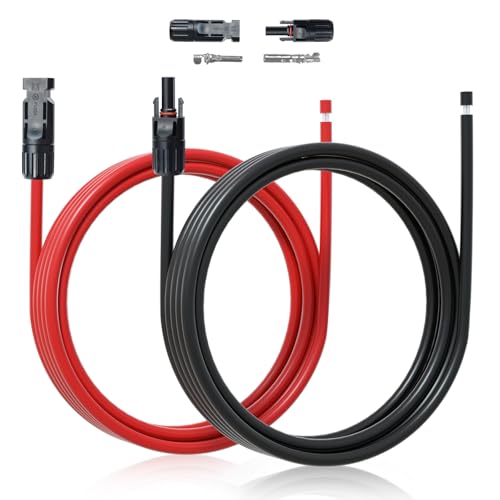
Tinned Copper Core: Premium 10AWG oxygen-free copper wire with tin-plated surface prevents oxidation (3X corrosion resistance vs bare copper), ensuring stable 30A/1000V DC power transfer even in 90% humidity environments

Ferrule Terminals for Secure Connections: Pre-crimped ferrule terminals ensure tight, corrosion-resistant connections, minimizing power loss and reducing the risk of loose wiring. Perfect for maintaining stable conductivity in outdoor or off-grid environments.

Quick Connection: Solar Panel Extension Cable, One end has the connectors installed, and the other end is bare wire in case you need to hook up to a controller. This solar extension cable can help you to position your solar panels anywhere with ease and flexibility. The solar connector is plug-and-play.
Safety Precautions
Safety comes first. Always wear protective gear, including gloves and safety goggles. Ensure that you work in a dry area and avoid installations during wet conditions. Disconnect all power sources before beginning. Take care to follow the manufacturer’s instructions and local regulations regarding electrical work. Make sure you understand the safety features of the components you’re using, like fuses and circuit breakers.
Tools And Materials Needed
Gather necessary tools and materials before starting. Here’s a list of what you need:
- Solar Panels: Choose the right type for your needs.
- Battery: Select a compatible battery type.
- Charge Controller: Use either PWM or MPPT based on your system size.
- Cables: Use appropriate gauge wires for connections.
- Connectors: Get MC4 connectors to link solar panels.
- Fuses: Install fuses for overcurrent protection.
- Multimeter: Check voltage and ensure proper connections.
- Tools: Prepare tools like a screw driver, wrench, and wire stripper.
Having these items ready simplifies the installation process and minimizes downtime.
Step-By-Step Connection Process
Connecting solar panels to a battery involves several straightforward steps. Follow this guide carefully to ensure a successful installation.
Recommended Products

✔️【Waterproof Solar Charge Controller】IP67 waterproof, suitable for outdoor use. Automatically identify voltage, 12V Max power: 150W, 24V Max power: 300W. The maximum current is 10A. Compatible with various 12V/24V deep-cycle batteries, such as AGM, GEL, Flooded. Adopting brand MCU chips to realize fast intelligent control and ultra-low standby power consumption.
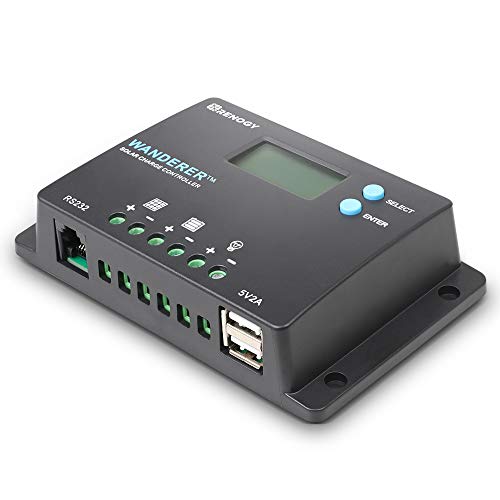
𝐒𝐦𝐚𝐫𝐭 𝟒-𝐒𝐭𝐚𝐠𝐞 12V/24V Solar Charge Controller: Renogy charge controller 𝐦𝐚𝐱𝐢𝐦𝐢𝐳𝐞𝐬 𝐁𝐚𝐭𝐭𝐞𝐫𝐲 𝐋𝐢𝐟𝐞 & 𝐒𝐨𝐥𝐚𝐫 𝐄𝐟𝐟𝐢𝐜𝐢𝐞𝐧𝐜𝐲, this advanced pwm solar charge controller utilizes intelligent 4-stage charging (Bulk/Boost/ Float/Equalization) to optimize power delivery for AGM, Gel, Flooded and Lithium batteries. RV solar charge controller prevents overcharging and gas buildup while 𝐚𝐜𝐡𝐢𝐞𝐯𝐢𝐧𝐠 𝟑𝟎% 𝐥𝐨𝐧𝐠𝐞𝐫 𝐛𝐚𝐭𝐭𝐞𝐫𝐲 𝐥𝐢𝐟𝐞𝐬𝐩𝐚𝐧 compared to basic charge controllers.
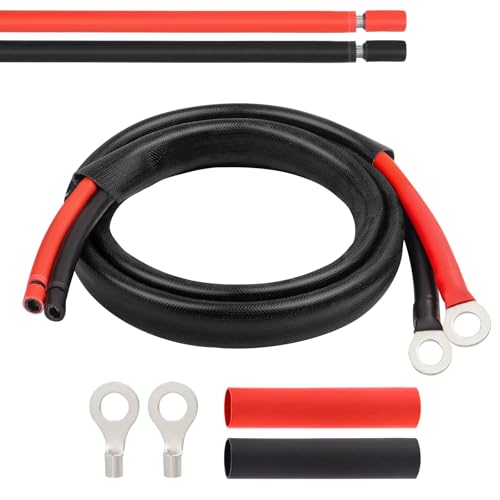
10AWG Tinned Copper Wire -- MOOKEERF solar battery cable is made of larger diameter 10AWG tinned copper wire which is minimize power loss in solar panel systems, the inner conductor consists of 84 tin-plated copper, well constructed and good conductive.
Connecting Solar Panels To The Charge Controller
- Select the Right Location: Choose a location for the charge controller that’s nearby the solar panels and battery, allowing easy access for wiring.
- Identify Positive and Negative Terminals: Locate the positive (+) and negative (-) terminals on the solar panels. Mark them clearly for reference.
- Use Appropriate Cables: Use cables rated for the current and voltage of your solar system. Connect the positive terminal of the solar panel to the positive input terminal on the charge controller.
- Connect the Negative Terminal: Attach the negative terminal of the solar panel to the negative input terminal on the charge controller. Ensure all connections are secure to avoid power loss.
Connecting Charge Controller To The Battery
- Prepare the Battery: Use a battery that meets your system’s requirements. Verify it’s fully charged before connecting.
- Connect Positive Terminals: Connect the positive output terminal of the charge controller to the positive terminal of the battery. Make sure to use a cable appropriate for the battery’s amperage.
- Attach Negative Terminals: Connect the negative output terminal of the charge controller to the negative terminal of the battery. Again, ensure the connection is tight.
- Inspect Connections: Double-check all connections for proper polarity and security. Loose connections may lead to voltage drops or potential damage.
- Power On the System: Turn on the charge controller. Some models may have an on/off switch, while others start automatically.
- Monitor Display Readings: Check the charge controller’s display for voltage readings. It should show solar panel voltage and battery charge levels. Ensure the readings are within normal operating ranges.
- Test During Full Sunlight: Test the system when sunlight is peak for accurate performance metrics. Watch for consistent power flow from the solar panels to the battery.
- Confirm Battery Charging: After a few hours, measure the battery voltage. An increase in voltage indicates successful charging.
Follow these steps, and you’ll ensure an efficient connection between solar panels and a battery, enhancing your solar energy system.
Monitoring And Maintenance
Regular monitoring and maintenance of your solar battery system ensure optimal performance and longevity. Keeping track of system health not only maximizes energy efficiency but also prevents unexpected issues.
Recommended Products

HIGH-ACCURACY, HIGHLY DURABLE: High-accuracy voltage detection circuit, fine workmanship and durable, Effective life greater than 50000 hours.

Charging voltage:12.6v ~ 13.6v Over Charge voltage:4.25±0.05v Over Discharge voltage: 2.5v±0.05v

Precise Compatibility: Specifically designed for ECO-WORTHY 48V 100Ah Server Rack Series batteries, this monitor suits off-grid solar systems. Built-in with 4 temperature sensors for accurate battery monitoring, and operates reliably in -4°F to 167°F environments. Please note: The ESM100 monitor currently supports only V3, new version batteries and is not compatible with V2 versions.
Regular Checks
Conduct routine inspections of your solar setup. Check the following components:
- Batteries: Look for signs of corrosion on terminals. Ensure connections are tight and free from dust or debris.
- Charge Controller: Monitor display readings to confirm proper operation. Verify that it shows appropriate voltage levels, indicating successful charging.
- Solar Panels: Inspect for dirt, leaves, or shading that could affect performance. Clean panels with a soft brush or cloth to maintain efficiency.
- Cables and Connectors: Examine for frays or damage. Replace any damaged cables to prevent energy loss or safety hazards.
Perform these checks monthly to catch problems early, helping to maintain a reliable energy source.
Troubleshooting Common Issues
Recognize and address common issues that may arise with your solar battery setup:
- Low Battery Charge: If your battery isn’t charging adequately, check connections for tightness and inspect the charge controller for functionality. Raise panel efficiency by ensuring they’re clean and receiving full sunlight.
- Frequent Inverter Faults: Identify if the inverter displays error messages. Reset the inverter by turning it off and back on, or consult the manual for specific troubleshooting steps.
- Battery Overheating: Look for potential overheating if batteries are excessively warm. Verify ventilation and monitor the environment. Batteries should ideally sit in cool, shaded areas.
Following these troubleshooting tips ensures a smoother solar power experience. Don’t hesitate to contact a professional for complex issues or when in doubt.
Conclusion
Connecting solar panels to a battery is a rewarding step towards energy independence. By harnessing the sun’s power and storing it for later use, you can save on electricity bills and ensure you’re prepared for unexpected outages.
Remember to choose the right components and follow safety precautions during installation. Regular monitoring and maintenance will keep your system running smoothly for years to come.
With the right setup in place you’ll enjoy the benefits of renewable energy while contributing to a more sustainable future. Embrace this journey and watch your energy independence grow!
Frequently Asked Questions
Why should I connect solar panels to a battery?
Connecting solar panels to a battery enhances energy independence, allowing you to store excess solar energy for later use. This setup reduces electricity bills and provides backup power during outages, ensuring you remain powered even when the sun isn’t shining.
What types of solar panels can I use?
You can choose from three main types of solar panels: monocrystalline, polycrystalline, and thin-film. Each type varies in efficiency and cost, with monocrystalline panels typically offering the highest efficiency and thin-film being more cost-effective, though less efficient.
What types of batteries are best for solar energy systems?
The two most common battery types for solar systems are lead-acid and lithium-ion. Lead-acid batteries are generally less expensive but have shorter lifespans and lower efficiency, while lithium-ion batteries last longer and offer higher energy density, making them a popular choice.
What is the role of a charge controller in a solar system?
A charge controller regulates the energy flow from the solar panels to the batteries, preventing overcharging and ensuring optimal battery performance. There are two main types: PWM (Pulse Width Modulation) and MPPT (Maximum Power Point Tracking), each suited for different system complexities.
What tools do I need for connecting solar panels to a battery?
You’ll need several tools and materials, including solar panels, batteries, charge controllers, cables, connectors, fuses, and a multimeter. A checklist is helpful to ensure you have everything prepared for a safe and efficient installation process.
How do I connect solar panels to a battery?
First, connect the solar panels to the charge controller, ensuring secure connections. Then, connect the charge controller to the battery, verifying the battery charge and checking connections for proper polarity. Finally, power on the system and monitor for successful charging.
How can I maintain my solar battery system?
Regular maintenance includes inspecting key components like batteries, charge controllers, and solar panels. Routine checks help identify issues early, while troubleshooting tips can assist with common problems such as low battery charge or overheating. Seek professional help for complex issues.
What should I do if I encounter issues with my solar system?
If you face problems like low battery charge or frequent inverter faults, start with basic troubleshooting steps like checking connections and inspecting components. For persistent issues, it’s best to consult with a professional to avoid further complications in your solar energy system.
