

Are you considering using lithium batteries for your solar system? You’re not alone. Many people are making the switch to lithium due to their efficiency and longer lifespan. But with this change comes the important question: what solar controller do you need to get the most out of your setup?
Choosing the right solar controller can feel overwhelming, especially with so many options available. The right controller ensures your lithium batteries charge properly and last longer, saving you time and money in the long run. In this article, you’ll discover the key factors to consider when selecting a solar controller tailored for lithium batteries, helping you make an informed decision that fits your needs.
Key Takeaways
- Efficiency and Longevity: Lithium batteries are favored for their higher energy density, fast charging capabilities, and long lifespan, which make them an optimal choice for solar energy systems.
- Role of Solar Controllers: Selecting the right solar controller is crucial, as it regulates energy flow between solar panels and batteries, ensuring safe and efficient charging and extending battery life.
- Types of Solar Controllers: Understand the difference between PWM (Pulse Width Modulation) and MPPT (Maximum Power Point Tracking) controllers; MPPT offers greater efficiency, especially in varying sunlight conditions.
- Compatibility Matters: Always verify that the solar controller explicitly supports lithium batteries and matches the voltage of your battery setup to prevent damage.
- Key Features to Consider: Look for controllers with MPPT technology, adjustable charge parameters, battery monitoring, overcharge protection, and temperature compensation to maximize performance.
- Recommended Options: Consider high-quality solar controllers like Victron Energy SmartSolar, Renogy Rover, or affordable options like the EPEVER Tracer for effective battery management tailored to your solar system needs.
Understanding Lithium Batteries
Lithium batteries are increasingly popular in solar systems due to their efficiency and long lifespan. Understanding their features and benefits can help you make informed decisions about your energy solutions.
Advantages of Lithium Batteries
- Higher Energy Density: Lithium batteries store more energy in a smaller space compared to lead-acid batteries, making them ideal for compact installations.
- Longer Lifespan: Lithium batteries often last up to 10 years or more, providing you with a reliable power source for extended periods.
- Fast Charging: These batteries charge faster than traditional options. You can recharge them in a fraction of the time, enhancing your system’s overall productivity.
- Lightweight: The reduced weight of lithium batteries simplifies installation and transportation, especially for mobile applications like RVs and boats.
- Lower Self-Discharge Rate: Lithium batteries have a self-discharge rate of approximately 1% per month, allowing you to store energy for longer periods without significant losses.
- Solar Energy Systems: Used in off-grid and grid-tied solar setups, lithium batteries optimize performance by storing excess energy generated during sunny days.
- Electric Vehicles (EVs): Lithium batteries power most electric cars, providing longer ranges and faster charging times for convenient transportation.
- Portable Electronics: Found in smartphones, laptops, and tablets, lithium batteries provide lightweight, reliable power for your devices.
- Home Energy Storage: Homeowners use lithium batteries to store energy from solar panels, effectively reducing electricity bills and increasing energy independence.
- Backup Power Systems: In case of power outages, lithium batteries serve as a reliable backup, offering peace of mind for your home or office.
Importance of Solar Controllers
Solar controllers play a crucial role in optimizing the performance of lithium batteries in solar energy systems. They regulate the flow of energy between the solar panels and batteries, ensuring efficient charging and prolonging battery life.
Recommended Products

【Advanced MPPT for Max Solar Harvest】 This professional mppt solar charge controller features an advanced tracking algorithm that maximizes power extraction in real time. Compared to basic PWM charge controllers, this efficient solar controller increases efficiency by over 30% with 99.9% conversion. It's the ideal solar panel charge controller and mppt solar charger for faster charging and extended battery life, perfect as a portable solar charge controller or a core solar power controller in any setup.

SMART SOLAR CHARGE CONTROLLER: Solar charge the smart way with the Victron Energy SmartSolar MPPT charge controller, to ensure that every ray of available sunlight is converted into usable energy, while optimizing battery longevity.

【Superior MPPT Technology】 This 100A MPPT solar controller is equipped with an advanced MPPT maximum power point tracking technology algorithm. It automatically recognizes 12V/24V/36V/48V systems and features dual USB 5V charging ports. The controller can swiftly track the maximum power point of the PV array in any environment, ensuring a tracking efficiency of no less than 99.5%. This significantly enhances the energy utilization in the solar system.
Role of Solar Controllers in Charging
Solar controllers manage charge rates to prevent overcharging or undercharging batteries. When solar panels generate energy, the controller ensures that the lithium batteries receive the appropriate voltage and current. For example, if sunlight increases and power output rises, the controller adjusts the charge to protect the battery from damage. This regulation not only enhances battery performance but also maintains the safety of your entire solar system.
Types of Solar Controllers
When selecting a solar controller, you can choose between two main types: PWM (Pulse Width Modulation) and MPPT (Maximum Power Point Tracking).
- PWM Controllers:
- PWM controllers are simpler and generally less expensive. They maintain a steady voltage level, reducing it as the battery reaches full charge. These controllers work well for systems where the energy production level remains consistent.
- MPPT Controllers:
- MPPT controllers are more advanced and efficient. They adjust the input to extract maximum power from the solar panels, even in varying conditions. You’ll find these controllers to be beneficial in setups with fluctuating sunlight or when using large solar arrays.
Selecting the right type ensures that your lithium batteries charge optimally, ultimately supporting their longevity and efficiency.
What Solar Controller Do I Need for Lithium Batteries?
Choosing the right solar controller for lithium batteries is crucial for optimal performance and longevity. The controller regulates energy flow, ensuring batteries charge efficiently and safely.
Compatibility with Lithium Batteries
Ensure the solar controller explicitly supports lithium battery technology. Many controllers list compatible battery types, including lithium-ion, lithium iron phosphate (LiFePO4), and others. Check the manufacturer’s specifications and confirm that the voltage matches your lithium battery setup, typically 12V, 24V, or 48V systems. For example, a controller designed for 12V batteries may not function correctly with 24V batteries. Compatibility ensures the controller can manage charging cycles effectively without damaging your batteries.
Key Features to Look For
Look for the following essential features when selecting a solar controller for lithium batteries:
- MPPT Technology: Choose controllers with Maximum Power Point Tracking (MPPT) for increased efficiency. MPPT controllers can boost system output by optimizing energy harvest from solar panels.
- Adjustable Charge Parameters: Select a controller that allows customization of charge settings to match lithium battery requirements. Options may include bulk, absorb, and float charging profiles.
- Battery Monitoring: Find controllers with built-in battery monitoring. This feature provides real-time data on battery voltage, state of charge, and health status.
- Overcharge Protection: Ensure the controller includes overcharge protection. This feature prevents excess voltage from damaging batteries and helps maintain health over time.
- Temperature Compensation: Look for controllers with temperature compensation. This functionality adjusts charging according to ambient temperature changes, optimizing performance regardless of conditions.
By prioritizing compatibility and understanding key features, you can effectively select a solar controller tailored for your lithium battery setup.
Recommended Solar Controllers for Lithium Batteries
Choosing the right solar controller is essential for optimizing lithium battery performance. Below are some recommended options catering to different budgets and needs.
Recommended Products

12V Universal Solar Charge Controller- Renogy Solar controller optimizes charging for 𝐋𝐢𝐭𝐡𝐢𝐮𝐦, 𝐀𝐆𝐌, 𝐆𝐞𝐥, & 𝐅𝐥𝐨𝐨𝐝𝐞𝐝 𝐛𝐚𝐭𝐭𝐞𝐫𝐢𝐞𝐬. Smart PWM solar panel controller technology auto-selects the perfect charging curve (𝐁𝐮𝐥𝐤/𝐁𝐨𝐨𝐬𝐭/ 𝐅𝐥𝐨𝐚𝐭/ 𝐄𝐪𝐮𝐚𝐥𝐢𝐳𝐚𝐭𝐢𝐨𝐧) for your RV, boat, or off-grid setup. Renewable energy controllers easily switch battery types and monitor real-time charging stages via intuitive LEDs, mmaximizing battery lifespan.
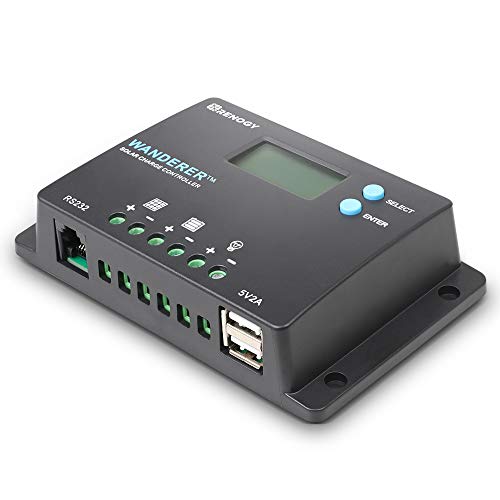
𝐒𝐦𝐚𝐫𝐭 𝟒-𝐒𝐭𝐚𝐠𝐞 12V/24V Solar Charge Controller: Renogy charge controller 𝐦𝐚𝐱𝐢𝐦𝐢𝐳𝐞𝐬 𝐁𝐚𝐭𝐭𝐞𝐫𝐲 𝐋𝐢𝐟𝐞 & 𝐒𝐨𝐥𝐚𝐫 𝐄𝐟𝐟𝐢𝐜𝐢𝐞𝐧𝐜𝐲, this advanced pwm solar charge controller utilizes intelligent 4-stage charging (Bulk/Boost/ Float/Equalization) to optimize power delivery for AGM, Gel, Flooded and Lithium batteries. RV solar charge controller prevents overcharging and gas buildup while 𝐚𝐜𝐡𝐢𝐞𝐯𝐢𝐧𝐠 𝟑𝟎% 𝐥𝐨𝐧𝐠𝐞𝐫 𝐛𝐚𝐭𝐭𝐞𝐫𝐲 𝐥𝐢𝐟𝐞𝐬𝐩𝐚𝐧 compared to basic charge controllers.
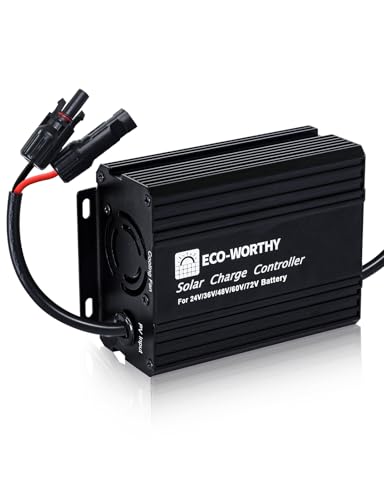
【Boost Charging】Boosts the voltage of 12 V or 24 V solar panels to charge 24/36/48/60/72 V batteries in Golf Cart, Electric Vehicles, and Solar System Kit; No need to add additional solar panels or change the connection of solar panels
High-End Options
- Victron Energy SmartSolar MPPT 100/50
This MPPT controller supports 12V and 24V systems, offering up to 50A of charge current. It features Bluetooth connectivity for easy monitoring and adjustable charging profiles, making it ideal for advanced setups. - Renogy Rover 60A MPPT Solar Charge Controller
With a maximum charging current of 60A, this controller is suitable for larger solar systems. It includes multiple battery type settings, remote monitoring, and a user-friendly LCD screen, ensuring efficient power management. - OutBack Power FLEXmax 80 MPPT Charge Controller
Designed for off-grid systems, this 80A controller provides robust performance and programmable settings. It’s built for durability and includes advanced overload protection, ensuring safety and efficiency.
- EPEVER Tracer 40A MPPT Solar Charge Controller
This 40A controller offers great value with its ability to handle various battery types, including lithium. It features a clear display, allowing you to monitor your system easily. - Renogy Wanderer 10A PWM Charge Controller
For smaller systems, this simple PWM option is budget-friendly and effective. It suits 12V lithium batteries, providing essential charge management without unnecessary complexities. - ALLPOWERS 20A Solar Charge Controller
This compact, affordable controller supports multiple battery types. It includes an LCD display for real-time monitoring and helps optimize the charging process, making it a great entry-level choice.
By matching your system’s needs with the right solar controller, you enhance the efficiency and longevity of your lithium batteries.
Conclusion
Choosing the right solar controller for your lithium batteries is key to maximizing their performance and lifespan. By considering factors like compatibility and features such as MPPT technology and overcharge protection, you can ensure your system runs smoothly.
With the right controller in place, you’ll not only protect your investment but also enjoy the benefits of efficient energy storage and usage. Whether you opt for a high-end model or a budget-friendly option, matching the controller to your specific needs will make all the difference. Happy solar powering!
Frequently Asked Questions
What are the benefits of using lithium batteries in solar systems?
Lithium batteries offer higher energy density, longer lifespan, lightweight design, fast charging capabilities, and a lower self-discharge rate. These advantages make them ideal for solar energy systems and increase overall efficiency.
How does a solar controller benefit lithium batteries?
A solar controller manages the energy flow between solar panels and lithium batteries, regulates charge rates, prevents overcharging or undercharging, and enhances battery performance while ensuring safety for the entire system.
What types of solar controllers are there?
There are two main types of solar controllers: PWM (Pulse Width Modulation) and MPPT (Maximum Power Point Tracking). PWM controllers are simpler and cheaper, while MPPT controllers are more advanced and efficient in charging batteries.
How do I choose the right solar controller for lithium batteries?
Ensure compatibility with lithium battery voltage specifications. Look for features like MPPT technology, adjustable charge parameters, built-in battery monitoring, overcharge protection, and temperature compensation to optimize performance.
Can you recommend some solar controllers for lithium batteries?
High-end options include the Victron Energy SmartSolar MPPT 100/50 and Renogy Rover 60A MPPT. For budget-friendly choices, consider the EPEVER Tracer 40A MPPT or Renogy Wanderer 10A PWM. Each caters to different needs and budgets.
