

Have you ever found yourself scrambling for AA batteries when you need them most? It’s a common frustration, especially when you realize they’re dead and you’re miles away from a store. But what if you could harness the sun’s energy to keep those batteries charged and ready to go?
Key Takeaways
- Understanding Solar Battery Chargers: Solar battery chargers convert sunlight into electricity to recharge AA batteries, providing a renewable energy solution for battery needs.
- Key Components Required: Essential parts for building a solar battery charger include a solar panel (5-10 watts), charge controller, rechargeable AA batteries, connecting wires, and a battery holder.
- Build Process: The charger can be assembled by connecting the solar panel to a charge controller, attaching the output to a battery holder, and inserting rechargeable batteries while ensuring all connections are secure.
- Testing and Maintenance: After building, use a multimeter to check the solar panel’s voltage output, ensure all connections are intact, and monitor battery temperature to ensure safe charging.
- Troubleshooting Tips: Common issues can be identified by checking the solar panel for dirt, verifying sunlight exposure, inspecting connections, and evaluating battery condition.
- Benefits of Solar Charging: Utilizing a solar battery charger is eco-friendly, cost-effective, portable, and offers convenience by allowing battery charging without access to electricity.
Understanding Solar Battery Chargers
Solar battery chargers harness solar energy to recharge batteries, particularly useful for AA batteries in emergency situations. These devices use solar panels to convert sunlight into electricity, making it easy to keep your batteries ready for use.
Benefits of Solar Battery Chargers
- Environmentally Friendly: Solar chargers use renewable energy, reducing reliance on fossil fuels.
- Cost-Effective: Once you invest in a solar charger, the ongoing electricity costs are minimal. Sunlight is free.
- Portable: Solar chargers are often lightweight and compact, perfect for outdoor activities or emergency kits.
- Convenience: Charge batteries without needing access to an electrical outlet.
- Versatility: Many solar chargers can handle different battery sizes and types, making them suitable for various devices.
- Solar Panel: The core component that collects sunlight and converts it into electrical energy. Look for panels with at least 5 to 10 watts for efficient charging.
- Charge Controller: Regulates the voltage and current flowing to the batteries, preventing overcharging. Ensure it’s compatible with your battery type.
- Rechargeable AA Batteries: Use nickel-metal hydride (NiMH) or lithium-ion batteries for best results. NiMH batteries are common and widely available.
- Connecting Wires: Quality wires facilitate the connection between components. Ensure they are appropriately rated for solar applications.
- Battery Holder: Holds the batteries securely and connects them to the charger. Choose a holder that fits your battery’s specifications.
- Optional Power Bank: Acts as an additional energy storage option, allowing you to charge devices directly from the solar energy collected.
Understanding these aspects lays the foundation for successfully creating your solar battery charger.
How to Make a Solar Battery Charger for AA Batteries
Creating a solar battery charger for AA batteries is straightforward. Follow these steps to harness solar power effectively.
Recommended Products

【Perfect Solar Batteries】 Exact size AA batteries designed for solar lights, outdoor garden lights, mouse, keyboards, TV remotes, toys, game controllers, digital camera, will fit all your device perfectly in daily life usage, high quality AA rechargeable batteries supply long lasting power, great convenience and good performance.
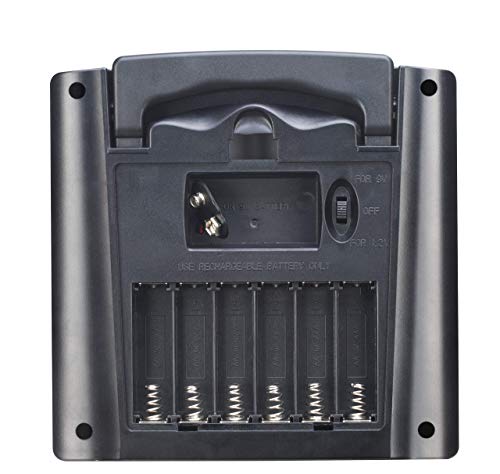
[7-Bay Battery Charger( No Battery Included)]--The solar charger can trickle charge 6pcs 1.2v aa/aaa rechargeable batteries and 1pcs 9volt battery together.Applicable batteries include:1.2volt AA size, AAA size, and 9 Vot battery. This range of household batteries are used in most electronic devices, such as Disc player,Remote control, Radios, Shavers,Toys, torches,outdoor solar Landscape string lights,solar walkway light,solar power motion sensor security lights.

【Battery Type】 AA SIZE 3.2V Rechargeable Solar Battery, NOT AA 1.2V NiMh
Selecting the Right Solar Panel
Choose a solar panel that aligns with your power needs. Look for panels with a voltage output of 5 to 6 volts, which is ideal for charging AA rechargeable batteries. A 10-watt solar panel typically suits small applications. Ensure the panel is lightweight and portable if you plan to use it in various locations. Check for durability features, such as shatter-resistant glass, for long-term use.
Choosing the Appropriate Charge Controller
Select a charge controller that matches the size and output of your solar panel. A PWM (Pulse Width Modulation) controller is generally suitable for low-power applications like this. It helps prevent overcharging and extends the life of your AA batteries. Consider controllers with built-in indicators to monitor charging status easily. Models with a USB output also offer versatility for charging other devices.
- Gather Materials: Collect a solar panel, charge controller, AA battery holder, rechargeable AA batteries, connecting wires, and optional tools like a soldering iron and screws.
- Connect the Solar Panel: Wire the positive terminal of the solar panel to the positive input of the charge controller. Connect the negative terminal to the negative input. Ensure secure connections to avoid power loss.
- Attach the Charge Controller: Connect the charge controller output to the battery holder. Attach the positive wire from the controller to the positive terminal of the battery holder, and the negative wire to the negative terminal.
- Insert Rechargeable Batteries: Place fully compatible rechargeable AA batteries into the battery holder. Ensure the correct orientation according to the holder’s markings.
- Test the Setup: Position the solar panel towards direct sunlight. Monitor the charge controller for indicator lights to confirm it’s charging the batteries. Adjust the panel angle if necessary for optimal sunlight absorption.
By following these steps, you ensure a reliable solar battery charger for AA batteries, providing you with an eco-friendly energy solution.
Testing Your Solar Battery Charger
Testing your solar battery charger ensures it functions correctly and efficiently recharges your AA batteries. Follow these steps to get started.
Recommended Products

【SOLAR CHARGE CONTROLLER】Can provide power for solar fans or charge 18650 batteries.

This solar panel charger can be used for 1.2v aa/aaa rechargeable batteries

Compact and Efficient: The XL-MUL9V module offers a small, high-performance solution for converting a 3.7V lithium battery to a stable 9V output, perfect for modifying your multimeter's power supply with Type-C charging convenience
Checking Voltage Output
- Use a Multimeter: Start by using a multimeter to measure the voltage output from your solar panel. Set the multimeter to the appropriate DC voltage setting.
- Expose to Sunlight: Position the solar panel in direct sunlight. This exposure allows it to generate the maximum voltage output.
- Record the Reading: Observe the reading on the multimeter. A functioning panel should output between 5 to 6 volts. If the voltage is significantly lower, check for obstructions or dirt on the panel that might be reducing its efficiency.
- Check for Correct Connections: Ensure all connections between the solar panel, charge controller, and battery holder are secure and free from corrosion. Loose connections can hinder performance.
- Monitor Battery Temperature: During charging, periodically touch the batteries to check their temperature. Batteries should remain cool to the touch. If they feel warm, disconnect them immediately to prevent damage.
- Follow Charge Controller Guidelines: Refer to the charge controller’s user manual for recommended settings and specifications. The charge controller helps prevent overcharging, which can extend the life of your batteries.
- Observe Charging Time: Note how long it takes for a set number of batteries to charge fully. Typically, a sunny day might provide enough time for a full charge within 4 to 8 hours, depending on the panel’s wattage and battery capacity.
By following these steps and guidelines, you can effectively test and ensure the performance of your solar battery charger. This process allows your setup to provide reliable energy whenever you need it.
Troubleshooting Common Issues
Common issues may arise when using your solar battery charger. Identifying these problems quickly can ensure efficient use of your setup. Below are some troubleshooting tips for improving your solar charging experience.
Identifying Performance Problems
- Check the Solar Panel: Ensure it’s clean and free from debris. Dust or grime on the surface can significantly reduce efficiency.
- Monitor Sunlight Exposure: Verify the panel is in direct sunlight for the entire charging period. Shade or clouds can impact performance.
- Inspect Connections: Look for loose or corroded wires. Securing connections is crucial for optimal charging.
- Evaluate Battery Condition: Assess the state of your rechargeable batteries. Old or damaged batteries may not hold a charge effectively.
- Test Voltage Output: Use a multimeter to confirm the voltage is within the expected range of 5 to 6 volts. If it’s lower, investigate solar panel functionality.
- Adjust Panel Position: Change the angle of your solar panel for better sunlight absorption. A 30-degree tilt often works best.
- Clean the Solar Panel: If dirt or grime accumulates, clean it with mild soap and water to restore efficiency.
- Secure Connections: Tighten or replace any loose wires or corroded connectors. This ensures all parts communicate effectively.
- Replace Batteries: If batteries fail to charge, consider replacing them with new, high-quality rechargeable options.
- Upgrade Components: Consider a more powerful solar panel or charge controller if your setup consistently underperforms. A higher wattage may lead to better results.
Conclusion
Creating your own solar battery charger for AA batteries is a rewarding project that not only saves you money but also helps the environment. By harnessing the power of the sun you can ensure your batteries are always charged and ready when you need them most.
With a few simple components and some easy steps you can enjoy the convenience of a reliable energy source. Plus you’ll gain valuable hands-on experience with solar technology.
So gather your materials and get started on this fun and practical DIY project. You’ll be glad you did when you’re never caught without charged batteries again!
Frequently Asked Questions
What are the benefits of using a solar battery charger for AA batteries?
Solar battery chargers are environmentally friendly, cost-effective, and convenient. They provide a reliable power source during emergencies, allowing you to keep batteries charged without relying on traditional electricity. Their portability and versatility also make them suitable for various applications, from home use to outdoor activities.
How does a solar battery charger work?
A solar battery charger works by converting sunlight into electrical energy using solar panels. This energy is then used to recharge rechargeable AA batteries through a charge controller, which regulates the charging process to prevent overcharging and extend battery life.
What materials do I need to create a solar battery charger?
To create a solar battery charger, you’ll need a solar panel (5-6 volts recommended), a PWM charge controller, rechargeable AA batteries, connecting wires, and a battery holder. Optional components may include a power bank for additional storage.
How do I choose the right solar panel for my charger?
Select a solar panel with a voltage output of 5 to 6 volts, ideally a 10-watt panel for small applications. Ensure it is compatible with your charge controller and capable of providing adequate energy for charging your batteries efficiently.
How do I test the solar battery charger?
To test your solar battery charger, use a multimeter to check the voltage output. Ensure the solar panel is exposed to direct sunlight and verify the voltage is within the expected 5 to 6 volts range. Check that all connections are secure and free from corrosion.
What common issues might I face with a solar battery charger?
Common issues include inadequate charging, which can result from dirty solar panels, loose connections, or old batteries. If the charger isn’t working efficiently, check the panel’s position, clean its surface, secure all connections, and consider replacing or upgrading components as needed.
How long does it take to charge AA batteries with a solar charger?
Charging time typically ranges from 4 to 8 hours on a sunny day, depending on the solar panel’s wattage and the capacity of the rechargeable AA batteries. Factors like sunlight intensity and the efficiency of your setup can also affect charging duration.
Can I use the solar charger indoors?
Using a solar charger indoors is not recommended as it requires direct sunlight to function effectively. For best results, position the solar panel outdoors where it can receive uninterrupted exposure to sunlight throughout the day.
