

Are you tired of running out of battery power when you need it most? If you rely on 18650 batteries for your gadgets or projects, you might be looking for a reliable way to keep them charged, especially in remote areas. Using a solar panel to charge these batteries not only saves you money but also harnesses the power of the sun.
In this article, you’ll learn how to set up a solar charging system for your 18650 batteries. It’s easier than you think! By the end, you’ll have the knowledge to keep your devices powered up sustainably, giving you peace of mind and a greener way to stay connected.
Key Takeaways
- Understanding 18650 Batteries: These rechargeable lithium-ion cells are widely used in consumer electronics, electric vehicles, and power tools due to their high energy density and longevity.
- Solar Panel Efficiency: Different types of solar panels – monocrystalline, polycrystalline, and thin-film – have varying efficiencies and applications, affecting your solar charging setup.
- Charging Process: The process of charging 18650 batteries with solar panels involves connecting a suitable solar panel to a charge controller, ensuring proper connection and monitoring voltage levels throughout.
- Safety Precautions: Implementing safety measures such as using a charge controller, monitoring battery temperature, and charging in a ventilated area is critical to prevent overcharging and potential hazards.
- Equipment Essentials: Necessary components for the setup include a solar panel, charge controller, battery holder, durable cables, and a multimeter for monitoring, all tailored to support 18650 battery charging.
Overview of 18650 Batteries
18650 batteries are rechargeable lithium-ion cells commonly used in various devices. Their cylindrical shape and specifications make them ideal for numerous applications. Understanding their features and uses can help you effectively manage your solar charging setup.
What Are 18650 Batteries?
18650 batteries are cylindrical lithium-ion cells that measure 18mm in diameter and 65mm in height. They typically provide a nominal voltage of 3.7 volts and a capacity ranging from 1500mAh to 3500mAh or more. These batteries use lithium-ion technology, which offers a high energy density and longevity. They come equipped with built-in protection circuits to prevent overcharging and short circuits, ensuring safe operation.
Common Uses of 18650 Batteries
18650 batteries serve various applications, including:
- Consumer Electronics: They’re found in laptops, flashlights, and portable speakers.
- Electric Vehicles: Many electric vehicles utilize 18650 cells for their compact size and efficiency.
- Power Tools: Rechargeable power tools often employ these batteries for reliable performance.
- Battery Packs: You can find them in external battery packs designed for smartphones and tablets.
These versatile batteries make it easy to power devices sustainably by pairing them with solar charging systems.
Solar Panel Basics
Understanding solar panels is key to effectively charging your 18650 batteries. Solar panels convert sunlight into electricity, making them an excellent choice for sustainable energy.
Recommended Products
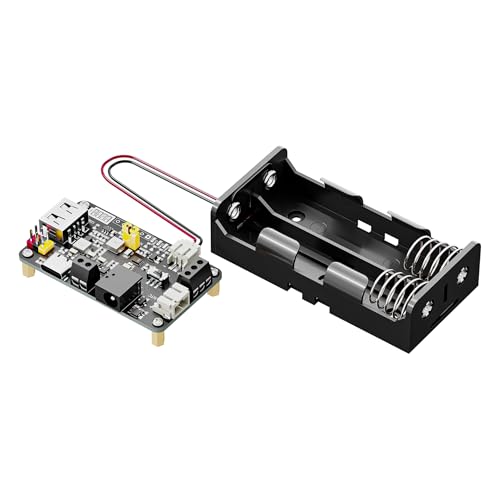
Smart Solar Charge Controller with Protection: Built-in intelligent solar charge controller with overcharge, over-discharge, overcurrent and reverse polarity protection to ensure safe lithium battery charging

MPPT High-Efficiency Charging: Built-in MPPT (Maximum Power Point Tracking) helps maximize solar panel charging efficiency; MPPT SET DIP switch lets you match the setting to your panel's voltage for better harvesting

65W PD/QC Fast Charge: Type-C port supports PD/QC/FCP/PE/SFCP protocols (9V/12V input), charging efficiency up to 94%
Types of Solar Panels
- Monocrystalline Panels:
- Monocrystalline panels consist of single-crystal silicon.
- They offer high efficiency, often exceeding 20%.
- They perform well in low-light conditions and have a longer lifespan.
- Polycrystalline Panels:
- Polycrystalline panels are made from multiple silicon crystals.
- They typically score around 15-20% in efficiency, which is lower than monocrystalline options.
- They are generally more affordable and easier to produce.
- Thin-Film Panels:
- Thin-film panels use various materials like cadmium telluride or amorphous silicon.
- They weigh less and are flexible, allowing for diverse installation options.
- Their efficiency ranges from 10-13%, making them less powerful but useful in specific applications.
How Solar Panels Work
Solar panels work by absorbing sunlight through photovoltaic cells, which generate direct current (DC) electricity. This electricity can then charge your 18650 batteries. Here’s a simplified breakdown of the process:
- Absorption: The photovoltaic cells absorb sunlight.
- Generation: The absorbed sunlight excites electrons, creating a flow of electricity.
- Conversion: This DC electricity passes through a charge controller, which regulates the flow to the batteries to prevent overcharging.
- Storage: The batteries store the generated electricity for later use, powering your devices on-demand.
Choosing the right solar panel and understanding how they function are essential steps to ensure effective charging of your 18650 batteries.
How to Charge 18650 Battery with Solar Panel
Charging an 18650 battery with a solar panel is efficient and straightforward. Follow the steps below to set up your system effectively.
Recommended Products

✔️【Waterproof Solar Charge Controller】IP67 waterproof, suitable for outdoor use. Automatically identify voltage, 12V Max power: 150W, 24V Max power: 300W. The maximum current is 10A. Compatible with various 12V/24V deep-cycle batteries, such as AGM, GEL, Flooded. Adopting brand MCU chips to realize fast intelligent control and ultra-low standby power consumption.

12V Battery Compatibility + 20A PWM Charging: Designed specifically for 12V solar systems, this 20A PWM solar charge controller is compatible with LiFePO4, AGM and Gel batteries and supports solar panels up to 300W. The upgraded 20A design provides stable current management for everyday RV, marine, camping and off-grid solar applications. Not compatible with 24V/36V battery systems

4-STAGE PWM Technology: The Voyager controller is equipped with advanced smart PWM technology with high charging efficiency. It provides 4-stage charging (Bulk, Absorption, Float and Equalization) in order to protect the battery.
Equipment Needed
- Solar Panel: Choose a solar panel with appropriate voltage output. A panel between 5W and 20W works well for 18650 batteries.
- Charge Controller: Use a charge controller to regulate voltage and current. This device protects the battery from overcharging.
- 18650 Battery Holder: Acquire a holder for safely connecting multiple batteries. It ensures proper orientation and contact.
- Cables and Connectors: Get durable cables for connections. Ensure they support the required current. Use connectors for secure attachment.
- Multimeter: Employ a multimeter to monitor voltage levels. It helps confirm the battery and solar panel outputs.
- Connect the Solar Panel: Attach the solar panel to the charge controller’s input terminals. Make sure positive connects to positive and negative to negative.
- Attach the Charge Controller: Connect the charge controller to the battery holder. Ensure orientation is correct for proper charging.
- Insert the 18650 Battery: Place the charged or empty 18650 battery into the holder. Check polarity again to avoid damage.
- Monitor the Charging: Use the multimeter to check the battery voltage. Expect the voltage to rise during charging, indicating progress.
- Check for Full Charge: Once the multimeter reads around 4.2 volts, the battery is fully charged. Disconnect the solar panel and charge controller from the battery holder.
- Store or Use the Battery: Store the fully charged battery in a safe place, or immediately use it in your device.
Explore these steps with patience. The setup offers both convenience and a sustainable way to power your devices using solar energy.
Safety Considerations
Safety plays a crucial role when charging 18650 batteries with solar panels. You should be aware of potential risks and follow best practices to avoid accidents.
Recommended Products

TP4056 Type-C USB 5V 1A 18650 Lithium Battery Charger Module: Input Interface: Type-C USB; Input Voltage: 4.35-6V (Recommended Voltage 5V)
![[Upgraded] 30A PWM Solar Charge Controller with Auto Parameter LCD Display](https://m.media-amazon.com/images/I/41opvkWthjL._SL500_.jpg)
【UPGRADED SOLAR CONTROLLER】This solar charge controller helps you manage the working of solar panels and batteries in solar systems automatically with the build-in industrial microcontroller. You don't need to reset it when the battery runs out cause it will memorize various parameters set by the user
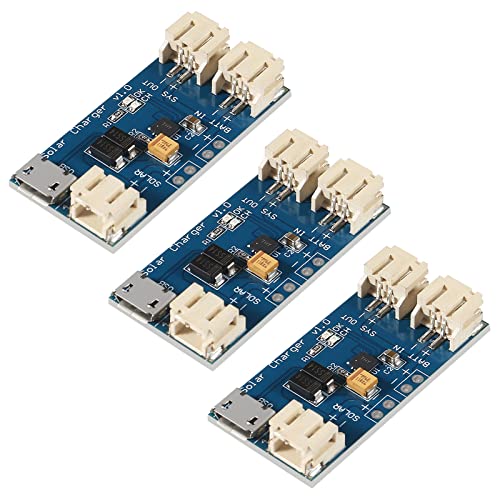
CN3065 Mini Solar Lipo Charger Board Lithium Battery Charge Module
Risks of Charging Batteries
Charging 18650 batteries improperly can lead to several risks:
- Overcharging: Excess voltage can damage the battery, leading to thermal runaway or explosion.
- Short Circuits: Poor connections or damaged wires can cause short circuits, presenting fire risks.
- Incorrect Voltage: Using unsuitable solar panels may supply too much voltage, harming the battery and connected devices.
- Physical Damage: Dropping or puncturing batteries can cause leaks or fires, compromising safety during charging.
Best Practices for Safety
Implement these best practices to ensure safe charging:
- Use a Charge Controller: Install a charge controller to regulate the voltage and current from the solar panel, preventing overcharging.
- Use Quality Equipment: Choose reliable solar panels, cables, and connectors designed for battery charging to minimize risks.
- Monitor Battery Temperature: Regularly check the battery temperature while charging. If it feels hot, disconnect it immediately.
- Charge in a Ventilated Area: Always charge batteries in a place with good airflow to dissipate heat and reduce fire hazards.
- Avoid Direct Sunlight on Batteries: Keep batteries out of direct sunlight during charging to prevent overheating.
By understanding risks and implementing safety best practices, you can confidently charge 18650 batteries with solar panels.
Conclusion
Charging your 18650 batteries with solar panels opens up a world of convenience and sustainability. You can easily harness the power of the sun to keep your devices running, whether you’re camping in the great outdoors or simply looking to reduce your carbon footprint.
With the right equipment and a bit of knowledge, you’re well on your way to setting up an efficient solar charging system. Just remember to keep safety in mind and follow best practices to ensure a smooth charging experience.
Embrace this eco-friendly approach and enjoy the freedom that comes with reliable, renewable energy. Happy charging!
Frequently Asked Questions
What are 18650 batteries used for?
18650 batteries are commonly used in various devices such as consumer electronics, electric vehicles, power tools, and external battery packs. Their cylindrical shape and rechargeable nature make them versatile and efficient for powering a wide range of applications.
How do solar panels work to charge batteries?
Solar panels convert sunlight into electricity through photovoltaic cells. Once the sunlight is converted, the energy is sent to a charge controller, which regulates the voltage and current before storing it in batteries, like 18650 cells.
What types of solar panels are available?
There are three main types of solar panels: monocrystalline, polycrystalline, and thin-film. Monocrystalline panels are efficient but usually more expensive, while polycrystalline panels are slightly less efficient and more affordable. Thin-film panels are lightweight and flexible, ideal for specific applications.
What equipment do I need to charge 18650 batteries with solar power?
To charge 18650 batteries with solar power, you will need a compatible solar panel, a charge controller to manage voltage, a battery holder, durable cables and connectors, and a multimeter to monitor voltage levels during charging.
How can I ensure safe charging of 18650 batteries?
To ensure safe charging, use a quality charge controller, monitor battery temperature, charge in a well-ventilated area, and avoid exposing batteries to direct sunlight. Always check for proper voltage to prevent overcharging or short circuits.
