

Are you considering going solar but unsure about how big a battery you really need? You’re not alone. Many homeowners face the same question when trying to maximize their solar energy system. Finding the right battery size can mean the difference between running out of power during a storm or enjoying uninterrupted electricity.
In this article, you’ll learn how to assess your energy needs and choose the right battery capacity for your solar setup. By understanding key factors like your daily energy consumption and solar production, you’ll be better equipped to make an informed decision. Let’s simplify this process so you can harness the full potential of your solar investment.
Key Takeaways
- Assess Your Energy Needs: Calculate your daily energy consumption by evaluating all appliances and their usage to determine the appropriate battery capacity for your solar system.
- Understand Battery Capacity: Choose a battery with sufficient capacity to cover your daily energy use and consider a larger size (1.5 to 2 times your daily use) for emergencies or prolonged cloudy periods.
- Consider Usage Patterns: Analyze when and how electricity is consumed in your home to ensure that the battery can handle peak loads and unexpected spikes in demand.
- Evaluate Types of Batteries: Choose between lithium-ion and lead-acid batteries based on your energy needs, budget, and maintenance preferences, with lithium-ion batteries offering longer lifespan and higher efficiency.
- Tailor Sizing for Scenarios: For off-grid systems, aim for a larger battery capacity, while grid-tied systems with backup can have smaller batteries, generally storing 1.5 to 3 times daily usage based on desired backup capacity.
- Account for System Losses: Factor in energy losses during storage and conversion, and consider increasing your battery capacity by 10-20% to ensure enough usable energy.
Understanding Solar Battery Sizing
Choosing the right battery size for your solar system ensures reliable energy access. Proper sizing prevents energy shortages during outages or low-production periods.
Importance of Battery Capacity
Battery capacity determines how much energy you can store for use when sunlight isn’t available. A larger battery capacity allows for longer energy supply periods and a more reliable system. For instance, if your daily energy consumption is 30 kWh, a battery with at least this capacity is essential for daily use without sunlight. When planning for emergencies or extended cloudy days, consider a battery that holds 1.5 to 2 times your daily use.
Factors Influencing Battery Size
Several key factors influence the battery size you require:
- Daily Energy Consumption
Assess your overall electricity usage by examining your utility bills. Understanding daily usage helps you estimate the appropriate battery capacity. - Solar Production
Evaluate how much energy your solar panels generate. Use metrics from past solar production performance to inform your battery sizing decisions. - Usage Patterns
Consider how and when you use electricity. If your consumption spikes during specific times, ensure your battery can cover those peaks effectively. - Backup Needs
Determine if you want your system to supply power during outages. Plan for additional capacity if maintaining power during these situations is a priority. - System Losses
Factor in energy losses during the conversion process and storage. A 10-20% increase in capacity accounts for these losses, ensuring you have enough usable energy.
By understanding these factors, you can select a battery size that meets your needs and enhances your solar system’s performance.
Calculating Your Energy Needs
Determining the appropriate battery size for your solar system starts with calculating your energy needs. You must identify your daily energy consumption and evaluate peak load requirements for a comprehensive analysis.
Recommended Products

Version Update Notice: The former 48V 314Ah V1 is now upgraded to Powermega 48V 314Ah, featuring newly added Active Cell Balancing and Integrated Aerosol Fire Protection for higher safety and longer service life. It also comes with an extended 10-year warranty, while maintaining full compatibility with V1 units for parallel expansion

UL1973 | UL9540A | CEC LISTED - Completed comprehensive testing by Intertek and has officially earned two key North American safety certifications.And has met the standards set by the California Energy Commission.The outstanding performance in design, electrical safety, and thermal runaway management,providing users with greater quality assurance.

【High-Efficiency MPPT Controller】This advanced MPPT charge controller providing over 30% additional power compared to standard solar charge controllers. This fully waterproof MPPT controller can be completely submerged in water. It offers comprehensive protection for your battery, safeguarding against overcharging, deep discharging, excessive voltage, current surges, overloads, short circuits, reverse polarity, and overheating
Identifying Daily Energy Consumption
Identify all your energy-consuming devices and their usage. You can use a simple approach:
- List each appliance and its wattage. A standard refrigerator might use about 150 watts.
- Estimate daily usage in hours. If used for 6 hours, that’s 150 watts x 6 hours = 900 watt-hours.
- Add the watt-hours for each device to find your total daily consumption.
For example, if you have a laptop (50 watts for 4 hours), lights (40 watts for 5 hours), and a refrigerator, your total could look like this:
| Appliance | Wattage | Daily Usage (hrs) | Daily Consumption (Wh) |
|---|---|---|---|
| Refrigerator | 150 | 24 | 3,600 |
| Laptop | 50 | 4 | 200 |
| LED Lights | 40 | 5 | 200 |
| Total | 4,000 |
Now you know you consume approximately 4,000 watt-hours (or 4 kWh) per day.
Evaluating Peak Load Requirements
Evaluate your peak load requirements to ensure your battery can handle short bursts of high energy use. Identify devices that draw significant power.
- List devices with high wattage. Examples include air conditioners (2,000 watts) or electric heaters (1,500 watts).
- Note the starting power requirements, usually higher than running power. An air conditioner, for instance, may need 3,000 watts to start.
- Consider simultaneous usage; if two high-wattage devices are running together, calculate their combined wattage.
For instance, if you run both an air conditioner and a refrigerator at the same time:
- Air Conditioner: 3,000 watts (starting)
- Refrigerator: 1,500 watts
- Total Peak Load: 4,500 watts
Ensure your battery system can manage this peak load, especially during demand spikes.
By calculating daily energy consumption and evaluating peak loads, you gain clarity on the battery capacity needed for efficient solar energy storage.
Types of Solar Batteries
Selecting the right type of solar battery impacts your system’s effectiveness. Two common types include lithium-ion batteries and lead-acid batteries, each with unique characteristics.
Recommended Products

【Superior Performance】: Lithium iron phosphate battery has high energy density, Long cycle life, Good safety performance, No memory effect, etc. NERMAK LiFePO4 battery has built-in BMS protection to prevent overcharge, Over-discharge, Over-current and short circuit, and very low self-discharge rate. (Not motorcycle starter battery)

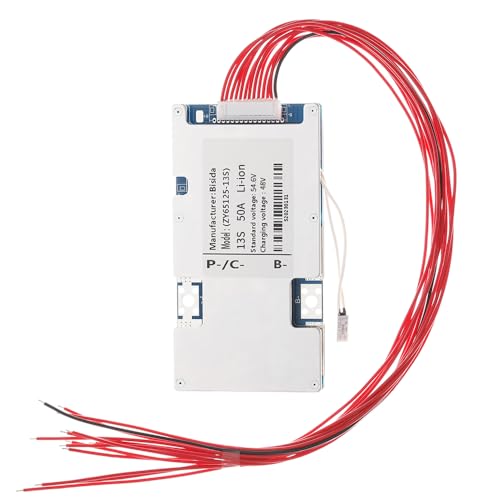
MULTIPLE PROTECTION Bisida's BMS has a variety of protection functions, such as over charge protection, over discharge protection, over current protection, short-circuit protection, temperature protection, isconnect protection, Voltage balance(passive balance), etc.
Lithium-ion Batteries
Lithium-ion batteries are popular for solar energy systems due to their high efficiency and longevity. These batteries typically last 10 to 15 years, offering a discharge depth of about 80-90%. They provide consistent power output, making them excellent for daily energy needs.
- Weight: Lithium-ion batteries are lightweight compared to other types, making installation easier.
- Maintenance: They require little to no maintenance, saving you time and hassle over the battery’s lifespan.
- Cost: Although the initial investment is higher, their lifespan and efficiency often justify the cost.
For example, if you consume 4,000 watt-hours per day, a lithium-ion battery with a capacity of about 6,000 watt-hours could sufficiency handle your needs during outages or cloudy days.
Lead-acid Batteries
Lead-acid batteries have a long history in energy storage but come with distinct drawbacks. They generally last 3 to 5 years and have a discharge depth of around 50-60%. This limits their effectiveness during extended periods without sunlight.
- Weight: Lead-acid batteries are heavier, which can complicate installation.
- Maintenance: Regular maintenance is necessary, including checking fluid levels and equalization charges.
- Cost: They are more affordable upfront but may incur higher replacement costs over time.
If your daily consumption remains at 4,000 watt-hours, you’d likely need a lead-acid battery with a capacity of 8,000 watt-hours to accommodate lower efficiency and maintenance requirements.
Choosing between lithium-ion and lead-acid batteries depends on your specific energy needs, budget, and maintenance preferences.
Sizing Recommendations for Different Scenarios
Choosing the right battery size depends on whether you’re setting up an off-grid system or a grid-tied system with backup. Each scenario requires different considerations for optimal performance.
Off-Grid Systems
For off-grid systems, you need a larger battery capacity to handle all your energy needs, especially if you rely solely on solar power. Start by calculating your daily energy consumption. If you use 5,000 watt-hours per day, aim for a battery capacity of 7,500 to 10,000 watt-hours to cover cloudy days and energy shortages.
Consider your usage patterns too. If you use power-hungry appliances like a washing machine or electric heater during peak times, factor their energy needs into your calculations. For short-term high demands, adding an inverter that can support your peak load is beneficial. Use a battery type with a long lifespan, such as lithium-ion, to reduce replacement costs over time.
Grid-Tied Systems with Backup
For grid-tied systems with backup, the battery size can be smaller since your home can draw energy from the grid. Generally, aim for a battery that can store 1.5 to 3 times your daily usage, depending on how much backup capacity you desire. If your daily energy consumption is 4,000 watt-hours, consider installing a battery with a capacity between 6,000 and 12,000 watt-hours.
When determining the size, think about how long you want backup power during grid outages. If you want several days of backup, increase your battery size. Evaluate your peak load requirements as well, especially if you plan to run high-demand appliances during outages. Choose batteries with high round-trip efficiency for better overall performance, like lithium-ion, as they’ll provide more usable energy from the battery’s stored charge.
Conclusion
Choosing the right battery size for your solar system is key to ensuring you have reliable energy when you need it most. By understanding your daily energy consumption and evaluating your peak load requirements you can make a more informed decision.
Whether you opt for lithium-ion or lead-acid batteries remember that each type has its pros and cons. Take the time to assess your specific needs and budget.
With the right battery in place you’ll be well on your way to maximizing your solar investment and enjoying the benefits of renewable energy.
Frequently Asked Questions
What is the importance of selecting the right battery size for solar energy systems?
Choosing the right battery size is crucial for ensuring a reliable power supply, particularly during outages. A properly sized battery capacity can prevent energy shortages during low solar production and help maximize your solar investment.
How do I determine my daily energy consumption?
To assess daily energy consumption, list all appliances along with their wattage and estimated usage time. This calculation will help you understand how much energy you need each day, guiding your battery size decision.
What factors influence solar battery sizing?
Key factors include daily energy consumption, solar production, usage patterns, backup needs, and any system losses. Understanding these elements will assist you in selecting the appropriate battery size for your solar setup.
How much battery capacity do I need for emergencies?
It is recommended to choose a battery capacity of at least 1.5 to 2 times your daily energy consumption. This ensures you have enough power stored for emergencies and overcast days.
What are the main types of solar batteries?
The two main types of solar batteries are lithium-ion and lead-acid. Lithium-ion batteries are more efficient and long-lasting, while lead-acid batteries are typically cheaper but require more maintenance and have a shorter lifespan.
What should I consider when choosing between off-grid and grid-tied systems?
For off-grid systems, you need a larger battery capacity to meet all energy needs. In contrast, grid-tied systems can function with smaller battery sizes, which can be designed to meet specific backup capacities based on daily usage.
How can I evaluate my peak load requirements?
To evaluate peak load requirements, consider the short bursts of high energy use from appliances like air conditioners and electric heaters. Ensure your battery can handle these peak loads for efficient energy storage and usage.
