

Have you ever wondered if you can charge your solar battery with a regular charger? You’re not alone. Many people face this dilemma, especially when the sun isn’t shining, and they need a quick power boost.
Imagine you’re out camping or during a power outage, and your solar battery is running low. It can be frustrating when you want to keep your devices powered but aren’t sure of the best way to do it. This article will help you understand whether using a regular charger is a viable option for your solar battery. By the end, you’ll know how to keep your energy sources running smoothly, no matter the situation.
Key Takeaways
- Solar Battery Basics: Solar batteries store energy from solar panels for use when sunlight isn’t available, providing power during outages or at night.
- Charging Methods: While solar panels are the most efficient way to charge solar batteries, regular chargers can be used as a backup but require careful consideration of compatibility.
- Compatibility Matters: Not all chargers are suitable for solar batteries; ensure the charger meets the specific voltage and current requirements to avoid damage.
- Risks of Regular Chargers: Using a regular charger can lead to overcharging and shortening the battery’s lifespan, so it’s best used only in emergencies.
- Emergency Situations: Regular chargers offer a quick solution when solar charging is not an option, but they carry risks and should be monitored closely.
- Long-Term Energy Solutions: Prioritize using appropriate solar charging methods to enhance energy independence and protect your solar battery’s health.
Understanding Solar Batteries
Solar batteries store energy generated by solar panels. They provide power during cloudy days, at night, or during outages.
What Are Solar Batteries?
Solar batteries are energy storage devices designed for use with solar power systems. They come in various types, including lithium-ion, lead-acid, and saltwater batteries. Each type has distinct characteristics:
- Lithium-ion Batteries: Known for their high efficiency and long life span, often lasting up to 15 years.
- Lead-Acid Batteries: Typically more affordable but have a shorter life span and lower efficiency.
- Saltwater Batteries: Environmentally friendly, they offer moderate efficiency and a lifespan similar to lead-acid options.
Solar batteries store excess energy generated during the day for later use. This allows you to make the most of your solar energy, helping you reduce reliance on the grid.
How Do Solar Batteries Work?
Solar batteries operate by absorbing and storing electrical energy from solar panels. Here’s how it works:
- Energy Production: Solar panels convert sunlight into electricity during daylight.
- Charging the Battery: This electricity can flow into the solar battery, charging it for later use.
- Energy Release: When sunlight is unavailable, such as at night or during outages, the stored energy discharges from the battery to power your devices.
Most solar batteries have a built-in inverter that converts direct current (DC) from the battery into alternating current (AC) used by home appliances. They also integrate with solar charging systems to manage battery health and optimize performance.
Understanding these functionalities helps you determine the best charging methods, enhancing your energy independence.
Charging Methods for Solar Batteries
You can charge solar batteries using various methods. Understanding these options helps in maintaining battery life and ensuring efficient energy use.
Recommended Products

12V Universal Solar Charge Controller- Renogy Solar controller optimizes charging for 𝐋𝐢𝐭𝐡𝐢𝐮𝐦, 𝐀𝐆𝐌, 𝐆𝐞𝐥, & 𝐅𝐥𝐨𝐨𝐝𝐞𝐝 𝐛𝐚𝐭𝐭𝐞𝐫𝐢𝐞𝐬. Smart PWM solar panel controller technology auto-selects the perfect charging curve (𝐁𝐮𝐥𝐤/𝐁𝐨𝐨𝐬𝐭/ 𝐅𝐥𝐨𝐚𝐭/ 𝐄𝐪𝐮𝐚𝐥𝐢𝐳𝐚𝐭𝐢𝐨𝐧) for your RV, boat, or off-grid setup. Renewable energy controllers easily switch battery types and monitor real-time charging stages via intuitive LEDs, mmaximizing battery lifespan.
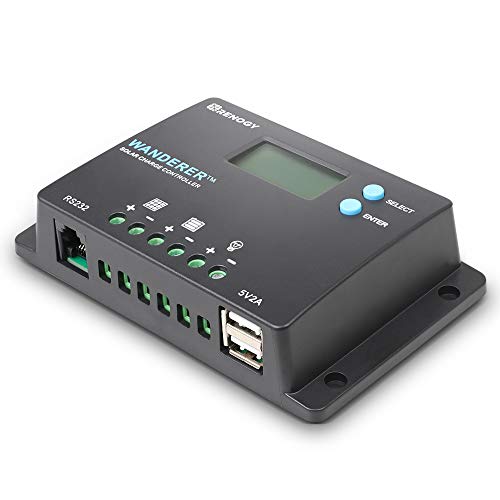
𝐒𝐦𝐚𝐫𝐭 𝟒-𝐒𝐭𝐚𝐠𝐞 12V/24V Solar Charge Controller: Renogy charge controller 𝐦𝐚𝐱𝐢𝐦𝐢𝐳𝐞𝐬 𝐁𝐚𝐭𝐭𝐞𝐫𝐲 𝐋𝐢𝐟𝐞 & 𝐒𝐨𝐥𝐚𝐫 𝐄𝐟𝐟𝐢𝐜𝐢𝐞𝐧𝐜𝐲, this advanced pwm solar charge controller utilizes intelligent 4-stage charging (Bulk/Boost/ Float/Equalization) to optimize power delivery for AGM, Gel, Flooded and Lithium batteries. RV solar charge controller prevents overcharging and gas buildup while 𝐚𝐜𝐡𝐢𝐞𝐯𝐢𝐧𝐠 𝟑𝟎% 𝐥𝐨𝐧𝐠𝐞𝐫 𝐛𝐚𝐭𝐭𝐞𝐫𝐲 𝐥𝐢𝐟𝐞𝐬𝐩𝐚𝐧 compared to basic charge controllers.

[ 30A Solar Charge Controller ]: The solar charger controller compatible with 12V 24V system. Discharge Current: 10A,a built-in industrial micro controller, automatically manage the working of solar panel and battery in sol ar system. Dual USB output 5V/2.5A (max), to support mobile phone charging
Using Solar Panels
Using solar panels to charge batteries is the most effective method for utilizing solar energy. Connect your solar panels directly to the solar charge controller, which regulates the voltage and current coming from the panels. This controller ensures safe and optimal charging of your battery.
For example, ensure the solar panel output matches the battery specifications to prevent damage. Typically, a standard solar panel generates between 100 to 300 watts. A solar system’s efficiency depends on sunlight exposure, so place panels in areas with maximum sunlight for best results.
Using Regular Chargers
Using a regular charger to charge a solar battery isn’t recommended. Regular chargers may not provide the correct voltage or current required for a solar battery. However, if a situation arises where solar charging isn’t possible, a regular charger can be used on a low setting as a backup option.
For safety, check the battery’s specifications and ensure the regular charger is compatible. Using a regular charger frequently can shorten battery lifespan due to improper charging. It’s best to limit this method to emergencies.
Can I Charge Solar Battery With Regular Charger?
You can charge a solar battery with a regular charger, but several crucial factors determine if it’s a good idea. Understanding compatibility and the risks involved helps you make informed decisions during emergencies or low power situations.
Recommended Products

HIGH-ACCURACY, HIGHLY DURABLE: High-accuracy voltage detection circuit, fine workmanship and durable, Effective life greater than 50000 hours.

[10 Year lifetime] ECO-WORTHY lithium battery (LiFePO4) can be recharged more than 3000 times in a deep cycle to achieve a longer cycle life. More than 8 times higher than lead-acid batteries (generally only 300-400 cycles can be charged)

The power range described is applicable to the following products: vacuum cleaner, massager battery pack, LED light backup power supply, 12V electronic products, solar street light battery pack, monitoring standby power supply, etc.
Compatibility Considerations
You must know that not all chargers work with solar batteries. Solar batteries often use specific charging protocols. Ensure the charger matches the voltage and current requirements of your battery. Check your solar battery’s specifications for details. For example, a lithium-ion battery typically requires a different charging profile than a lead-acid battery.
Using a regular charger that isn’t compatible can lead to inefficient charging or damage. Whenever possible, select chargers designed for your battery type. In an emergency, using a regular charger on a low setting may offer a temporary solution, but this risks overloading or overheating the battery.
Risks and Precautions
Charging a solar battery with a regular charger carries certain risks. You could overcharge, leading to battery damage or leakage. To prevent this, monitor the charging process closely. Disconnect the charger once the battery reaches full capacity.
Use a battery management system when available. These systems help regulate voltage, preventing overcharging and extending battery life. If you notice any swelling, heating, or unusual noises from the battery, stop charging immediately.
Following these guidelines ensures safety while addressing your charging needs effectively. Always prioritize using compatible chargers and taking necessary precautions to protect your solar battery.
Advantages and Disadvantages of Charging Solar Batteries
Charging solar batteries with a regular charger has its benefits and drawbacks. Understanding these aspects helps you make informed decisions about energy management.
Recommended Products
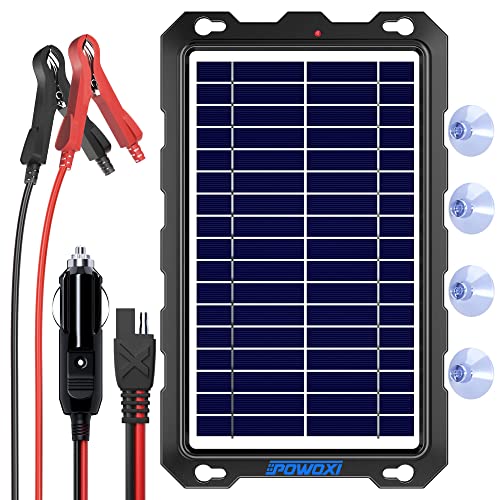
Upgrade Intelligent Charge Controller: Built-in internal protection system and smart fast charging Cooperate with Quality solar silicon material ensures high conversion and stable output the solar panel's energy conversion efficiency to 25-30%

High-Efficiency MPPT Solar Charger - Advanced tracking technology delivers 20-30% faster charging for 12V batteries. A+ monocrystalline panels maximize power conversion. Perfect 20W solar trickle charger for cars, RVs, boats, and trailers. More sun captured, less time waiting.

Safety for Use - Made of eco-friendly silicone rubber and ABS PC material. CE, FCC, RoHS certified, reliable and durable. The solar battery pack is made of strong ABS material, with drop-resistant thick silicone on each corner. The charging port is also protected by a silicone cover. Drop-proof/dust-proof/water-proof design withstands the harsh environment. Do not miss this power bank if you are an outdoor enthusiast.
Pros of Using a Regular Charger
- Emergency Backup: A regular charger provides a backup option during power outages. If your solar battery runs low, a regular charger can quickly get it back to a usable level.
- Availability: Regular chargers are widely available. You can find them at many retail stores, making them accessible when you need a quick solution.
- Fast Charging: Depending on the charger’s output, it may charge faster than solar methods. This speed can be vital for urgent needs and unexpected situations.
- Compatibility with Multiple Devices: Many regular chargers are versatile. They often work with various devices, allowing you to charge other electronics simultaneously.
- Risk of Overcharging: Regular chargers might not regulate voltage well. Overcharging can damage your solar battery and shorten its lifespan.
- Compatibility Issues: Not all regular chargers align with solar batteries. Mismatched voltage or current can lead to inefficiencies or battery damage.
- Lack of Solar Benefits: Using a charger compromises the benefits of solar energy. You miss out on energy independence and sustainable practices inherent in solar charging.
- Monitoring Necessity: Regular charging requires closer supervision. You must manually monitor the process to prevent overcharging or other potential issues.
Conclusion
Charging your solar battery with a regular charger can be a tempting option in a pinch. Just remember to proceed with caution. While it may offer a quick solution during emergencies it’s crucial to ensure compatibility and monitor the process closely to avoid potential damage.
Using solar panels remains the best way to keep your battery charged and maintain its health. Embracing solar energy not only helps you stay powered but also supports a more sustainable lifestyle. So when you think about charging options keep your solar system in mind and prioritize safety as you navigate your energy needs.
Frequently Asked Questions
Can I use a regular charger to charge a solar battery?
Yes, you can use a regular charger as a backup to charge a solar battery in emergencies. However, it’s not recommended due to potential compatibility issues.
What types of solar batteries are there?
The main types of solar batteries are lithium-ion, lead-acid, and saltwater. Each type has distinct characteristics regarding efficiency, lifespan, and environmental impact.
How does a solar battery work?
A solar battery stores energy produced by solar panels, capturing it during sunlight and releasing it for use when needed. This process involves energy production, charging, and energy release.
Why is it important to use a solar charge controller?
A solar charge controller regulates the voltage and current from the solar panels, ensuring safe and optimal charging for the solar battery, preventing overcharging and prolonging battery life.
What are the risks of using a regular charger?
Using a regular charger can lead to overcharging, potential battery damage, and loss of the benefits of solar charging. It’s crucial to monitor the process carefully.
What precautions should I take when charging a solar battery with a regular charger?
Ensure the charger matches the battery’s voltage and current requirements, monitor the charging closely, and consider using a battery management system to avoid damage.
What are the advantages of using a regular charger?
Advantages include easy availability, faster charging in emergencies, and the ability to charge multiple devices. However, it’s important to weigh these against potential risks.
Are there better options than a regular charger for solar batteries?
Yes, using solar panels connected to a solar charge controller is the most effective way to charge solar batteries, maximizing efficiency and battery health.
