

Have you ever wondered if solar batteries and rechargeable batteries are really the same? You’re not alone. Many people face the confusion of choosing the right battery for their needs, especially with the rise of renewable energy solutions.
Key Takeaways
- Definition Distinction: Solar batteries are specifically designed to store energy generated from solar panels, while rechargeable batteries are versatile energy storage devices used in everyday electronics.
- Energy Capacity: Solar batteries generally offer a higher energy storage capacity (5 kWh to 20 kWh) compared to rechargeable batteries, which typically store between 1,000 mAh and 5,000 mAh.
- Application Differences: Solar batteries are best suited for renewable energy systems and off-grid applications, while rechargeable batteries are ideal for portable devices like smartphones and laptops.
- Environmental Impact: Both types of batteries promote sustainability; solar batteries utilize renewable energy, while rechargeable batteries reduce waste by allowing multiple uses.
- Technological Advancements: Innovations in battery technology benefit both solar and rechargeable batteries, improving efficiency, performance, and longevity.
- Battery Management: Solar batteries often include advanced management systems for efficient charging and discharging, enhancing their performance for home energy storage.
Overview of Solar Batteries
Solar batteries store energy generated from solar panels, allowing you to use that energy when needed. Understanding their characteristics can help when choosing the right battery for your solar system.
Recommended Products

MULTIPLE PROTECTION Bisida's BMS has a variety of protection functions, such as over charge protection, over discharge protection, over current protection, short-circuit protection, temperature protection, isconnect protection, Voltage balance(passive balance), etc.


Dimensions: 101.83 x 80.50 x 110.80mm Weight: 831g
What Are Solar Batteries?
Solar batteries are specialized energy storage devices that capture and store electricity produced from solar panels. These batteries come in several types, such as lithium-ion and lead-acid. Lithium-ion batteries offer higher energy density and longer lifespans, while lead-acid batteries are generally more cost-effective upfront. Selecting the right type depends on your energy needs and budget.
How Do Solar Batteries Work?
Solar batteries operate by storing electricity during periods of high solar production. When sunlight hits the solar panels, they convert sunlight into electricity. This electricity can either power your home directly or charge the battery for later use. During periods of low sunlight, such as at night or on cloudy days, the stored energy in the battery can power your appliances. The battery management system controls charging and discharging, ensuring maximum efficiency and battery longevity.
Overview of Rechargeable Batteries
Rechargeable batteries play a vital role in modern technology, providing energy storage for various devices. Understanding them enhances your ability to choose the right power solution.
Recommended Products

12V Rechargeable Battery Pack with Charger: The rapthor 12V 2600mAh Li-ion battery pack delivers DC 12V output with up to 3A max current. Includes a 12.6V/1A charger, DC power connector, and DC pigtail cable for easier setup with compatible 12V devices.

Capacity: total 66.6Wh ( 11.1V 6000mAh, or 3.7V 18000mAh ). Rechargeable DC 12V and 5V USB double output lithium ion battery pack. Voltage range of the 12V output port is 12.6-9V, it is not constant, compatible with most 12 volt devices. 12v DC port: Inner Positive(+), Outer Negative(-).

Package list: 18*65mm Battery without Charger
What Are Rechargeable Batteries?
Rechargeable batteries are energy storage devices that can be charged, discharged, and reused multiple times. Common types include lithium-ion, nickel-cadmium, and nickel-metal hydride batteries. These batteries power everyday items, such as smartphones, laptops, and electric vehicles.
How Do Rechargeable Batteries Work?
Rechargeable batteries operate through chemical reactions that allow energy to be stored and released. When charging, an external power source sends electricity into the battery, reversing the chemical reaction. This process stores energy in the form of potential chemical energy. When in use, the battery discharges, converting the stored energy back into electrical energy to power your devices.
Here’s a simplified process breakdown:
- Charging Phase: An external power source sends current into the battery, initiating a chemical reaction.
- Energy Storage: The reaction converts electrical energy into chemical energy, ready for later use.
- Discharging Phase: The stored energy is released when you use the device, allowing the battery to power your electronics.
Rechargeable batteries provide a sustainable energy solution, reducing waste and saving money over time.
Key Differences Between Solar Batteries and Rechargeable Batteries
Understanding the distinctions between solar batteries and rechargeable batteries helps you choose the right energy storage solution for your needs.
Recommended Products

Portable Generator with 60W Solar Panel Included: with a big battery pack, ZeroKor 300W solar powered generator are powerful enough to charge smartphones,tablets,laptops,headphones or other outdoor small camping supplies(Tips:Using electrical appliances over 300W may damage the portable solar generator, especially some devices that are prone to heat or built-in air compressor such as coffee maker,Hair dryer, water pump etc )
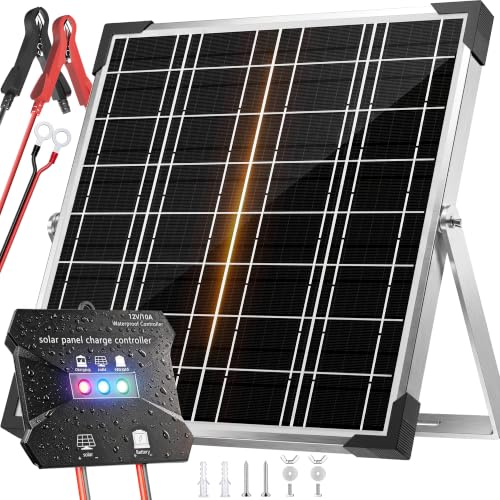
High-Efficiency MPPT Solar Charger - Advanced tracking technology delivers 20-30% faster charging for 12V batteries. A+ monocrystalline panels maximize power conversion. Perfect 20W solar trickle charger for cars, RVs, boats, and trailers. More sun captured, less time waiting.

Energy Storage Capacity
Solar batteries typically have higher energy storage capacities than common rechargeable batteries. Solar batteries, designed for storing excess energy from solar panels, often range from 5 kWh to 20 kWh, depending on the system’s size and application. In contrast, rechargeable batteries used in household devices, such as smartphones or laptops, usually store between 1,000 mAh and 5,000 mAh of energy. This difference reflects specific design purposes: solar batteries handle significant energy loads for homes or businesses, while rechargeable batteries serve smaller devices.
Application Scenarios
Solar batteries are ideal for off-grid systems or as backups during power outages. They store energy generated by solar panels during the day for use at night or during cloudy weather, maximizing energy efficiency and minimizing reliance on the grid. For example, a homeowner with solar panels may use a solar battery to power their home during peak evening hours.
Rechargeable batteries are suited for everyday electronic devices, including smartphones, laptops, and electric vehicles. They’re designed for frequent charging and discharging cycles, making them perfect for devices that require portability and convenience. For instance, you use rechargeable batteries to power a cordless drill or a wireless mouse, benefiting from their ability to recharge multiple times without extensive waste.
Similarities Between Solar Batteries and Rechargeable Batteries
Both solar batteries and rechargeable batteries share common characteristics, making them essential for efficient energy storage and use. Understanding these similarities helps clarify their roles in daily life and renewable energy solutions.
Environmental Benefits
Both battery types contribute to environmental sustainability. Solar batteries harness clean energy produced by solar panels, reducing reliance on fossil fuels. Rechargeable batteries, on the other hand, minimize waste by enabling multiple uses, preventing the need for single-use options. Both types lower carbon footprints, promoting greener practices in energy consumption.
Technological Advances
Both solar and rechargeable batteries benefit from ongoing technological innovations. Advances in battery chemistry, such as improved lithium-ion formulations, lead to higher energy densities and greater efficiency. These improvements enhance performance, longevity, and safety. As technology evolves, both battery types increasingly support renewable energy systems and portable devices, making them more versatile and accessible in your everyday life.
Conclusion
Understanding the differences between solar batteries and rechargeable batteries can help you make informed choices for your energy needs. While both types play vital roles in energy storage and sustainability they cater to different applications.
Solar batteries are designed to store energy from solar panels for home or business use while rechargeable batteries power your everyday devices. By recognizing their unique features you can select the right battery for your specific requirements.
Whether you’re looking to harness solar energy or simply want to keep your gadgets charged, knowing the distinctions will guide you toward a more efficient and eco-friendly solution.
Frequently Asked Questions
What is the main difference between solar batteries and rechargeable batteries?
Solar batteries are designed to store energy generated from solar panels for later use, while rechargeable batteries power everyday electronic devices like smartphones and laptops. Solar batteries typically have higher storage capacities suited for larger energy needs, whereas rechargeable batteries are smaller and meant for frequent charging cycles.
How do solar batteries work?
Solar batteries store excess electricity generated by solar panels during sunny periods. When sunlight is low or absent, these batteries supply the stored energy for use, thanks to a battery management system that ensures efficient energy storage and prolongs the battery’s lifespan.
What types of solar batteries are available?
Common types of solar batteries include lithium-ion and lead-acid batteries. Lithium-ion batteries offer higher energy density and longer life, making them more efficient, while lead-acid batteries tend to be more cost-effective upfront but have shorter lifespans.
Why are rechargeable batteries important?
Rechargeable batteries are crucial for modern technology as they can be charged and reused multiple times. They reduce waste and save money over time, making them a sustainable choice for powering everyday devices.
What are the storage capacities of solar batteries?
Solar batteries typically have capacities ranging from 5 kWh to 20 kWh, suitable for significant energy loads in homes or businesses. In contrast, rechargeable batteries usually store between 1,000 mAh and 5,000 mAh for smaller devices.
Are there any similarities between solar batteries and rechargeable batteries?
Yes, both types of batteries are essential for efficient energy storage and sustainability. Solar batteries utilize clean energy from solar panels, while rechargeable batteries help minimize waste by allowing multiple uses, supporting a lower carbon footprint for users.
How have technological advances improved batteries?
Recent advancements in battery technology, especially lithium-ion formulations, have enhanced energy density, efficiency, and safety for both solar and rechargeable batteries. These improvements make them more versatile and accessible for various applications in daily life.
