

Have you ever found yourself with a dead battery and no outlet in sight? It’s a frustrating situation many of us face, especially when we rely on our devices for everyday tasks. Imagine if you could harness the power of the sun to keep your gadgets charged and ready to go.
Key Takeaways
- Understanding Solar Power: Solar charging utilizes sunlight to create electricity for battery charging, providing a renewable and eco-friendly solution for powering devices.
- Benefits of Solar Charging: Key advantages include being a renewable resource, cost savings, portability, low maintenance, and contributing to environmental sustainability.
- Choosing the Right Charger: When selecting a solar battery charger, consider factors like wattage output, port compatibility, battery capacity, durability, and efficiency rating to ensure effective charging.
- Setting Up the System: Essential components for a solar charging system include solar panels, charge controllers, batteries, inverters, and durable cables. Proper installation maximizes efficiency.
- Maintenance Tips: Regular inspections, adherence to charge cycles, proper temperature control, and routine battery testing are crucial for maintaining the health and longevity of your solar charging system.
- Troubleshooting: Common issues can include insufficient charging, overheating, and decreased efficiency. Regular checks and cleaning can help resolve these problems effectively.
Understanding Solar Power Charging
Solar power charging harnesses sunlight to produce electricity for charging batteries. This method offers a renewable and sustainable way to keep your devices running, especially when outlets aren’t available.
What Is Solar Power Charging?
Solar power charging involves using solar panels to convert sunlight into electrical energy. This energy then charges batteries, allowing you to power various devices like phones, laptops, or larger equipment. Most solar charging systems include a solar panel, a charge controller, and a rechargeable battery. This setup is efficient and environmentally friendly.
Benefits of Charging Batteries with Solar Power
Charging batteries with solar power provides various advantages:
- Renewable Energy Source: Solar energy comes from the sun, making it inexhaustible and widely available.
- Cost Savings: Using solar power reduces electricity costs. Once you invest in solar panels, ongoing energy costs often drop significantly.
- Portability: Many solar chargers are lightweight and portable, perfect for outdoor activities like camping or hiking.
- Low Maintenance: Solar charging systems require minimal upkeep, with most components lasting many years.
- Eco-friendly: Solar charging produces no emissions, contributing to a cleaner environment.
Investing in solar power charging not only ensures your devices remain charged but also supports sustainable energy practices.
Choosing the Right Solar Battery Charger
Selecting the right solar battery charger ensures efficient charging for your devices. Here are some key points to consider.
Types of Solar Chargers
- Portable Solar Chargers: Designed for easy transport, these are ideal for on-the-go charging. You can use them for small devices like smartphones and tablets.
- Solar Battery Maintainers: Perfect for trickle charging, these maintain the charge of larger batteries, like those in cars or boats, during extended periods of inactivity.
- Solar Power Banks: These combine the benefits of solar charging and portable storage. You can charge the power bank via sunlight and then use it to power devices later.
- Integrated Solar Chargers: These come with built-in solar panels and batteries, allowing you to charge devices directly from the charger itself. They’re great for camping and outdoor activities.
- Wattage Output: Higher wattage leads to faster charging. Look for chargers that offer sufficient wattage for your specific devices.
- Port Compatibility: Ensure the charger has the right ports for your devices, such as USB-A, USB-C, or DC outputs.
- Battery Capacity: Review the battery capacity in amp-hours (Ah). A higher capacity provides more energy storage for later use.
- Durability: Check for weatherproof or rugged designs if you plan to use your charger outdoors. Military-grade materials offer extra protection.
- Efficiency Rating: Consider the efficiency of solar panels. Higher efficiency ratings mean better performance in low light conditions.
By focusing on these aspects, you’ve got the tools to choose the right solar battery charger that meets your needs while keeping your devices powered sustainably.
Setting Up Your Solar Charging System
Setting up your solar charging system involves gathering essential components and following specific installation steps to ensure everything operates efficiently.
Recommended Products
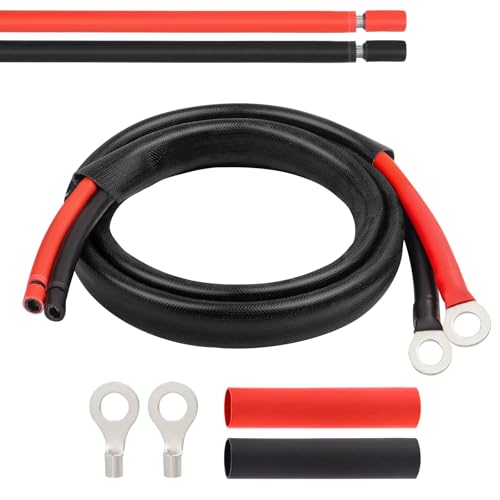
10AWG Tinned Copper Wire -- MOOKEERF solar battery cable is made of larger diameter 10AWG tinned copper wire which is minimize power loss in solar panel systems, the inner conductor consists of 84 tin-plated copper, well constructed and good conductive.

10AWG Wire Tinned Copper Tray Extension Cable to connect the charge controller to the battery, also can be used as solar wires with tools to cut and crimp with new connectors.Widely used for solar panels, marine, automotive, RVs, Lawn mower,camper and inverter wiring.
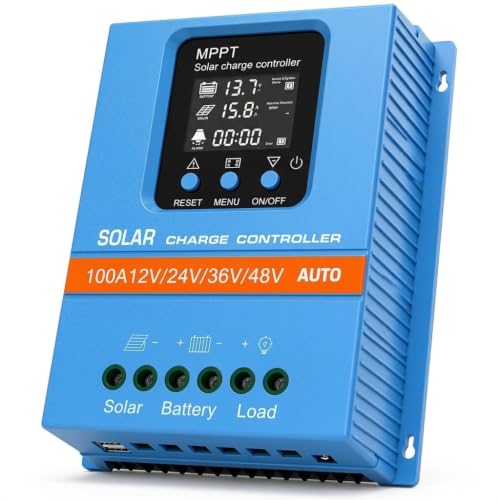
【Product Advantages 】: 100A intelligent adjustment controller with precise time control and light control, can switch loads on and off at a fixed time, adjustable voltage parameters, and memory function. Large LED display screen, real-time display of working voltage, clearer data reading. Flame retardant materials are safe and durable, fashionable and simple. Large section wiring port, wire spacing increased by 99mm
Required Components
- Solar Panels: Select solar panels based on your charging needs. Look for panels with higher wattage for faster energy capture.
- Charge Controller: Use a charge controller to regulate voltage and prevent overcharging, which extends battery life.
- Battery: Choose a compatible battery type. Lithium-ion batteries offer longer life, while lead-acid batteries are often less expensive.
- Inverter: If you’re charging devices that require AC power, an inverter converts DC from the battery to AC.
- Cables and Connectors: Obtain durable cables for connections. Use appropriate connectors for easy attachment and secure connections.
- Select a Location: Choose a sunny area for placing the solar panels to maximize sunlight exposure.
- Install Solar Panels: Firmly mount the panels on a roof, pole, or ground setup, ensuring they’re angled correctly to capture sunlight.
- Connect Charge Controller: Link the solar panel to the charge controller. Follow manufacturer instructions for wiring to avoid damage.
- Attach Battery: Connect the charge controller to the battery, ensuring correct polarity to prevent short-circuiting.
- Set Up Inverter (if needed): Connect the inverter to the battery for AC-powered devices, following safety guidelines.
- Test the System: Once everything’s connected, test the system. Monitor the charge controller to ensure it’s functioning correctly, indicating successful charge transfer.
Proper setup guarantees effective and sustainable charging at any time, utilizing the power of sunlight.
Monitoring and Maintenance
Monitoring and maintaining your solar charging system ensures efficiency and longevity. Regular checks and care keep your batteries charged and functioning well.
Best Practices for Battery Maintenance
- Regular Inspections: Check battery terminals for corrosion. Clean connections with a mixture of baking soda and water if needed.
- Charge Cycles: Follow recommended charge cycles. Avoid letting batteries discharge completely.
- Temperature Control: Keep batteries in an appropriate environment. Extreme temperatures can harm performance.
- Battery Testing: Use a multimeter to test voltage. Regular testing helps identify weak batteries before they fail.
- Storage Conditions: Store batteries in a cool, dry place. This prevents damage and extends battery life.
- Insufficient Charging: If your battery doesn’t charge fully, check solar panel alignment. Ensure panels face optimal sunlight.
- Overheating Batteries: If your battery overheats, inspect the charge controller settings. Adjust settings to avoid overcharging.
- Battery Not Holding Charge: If your battery discharges quickly, inspect for short circuits. Replace damaged wiring or terminals.
- Inconsistent Power Supply: If you’re experiencing fluctuations, verify connections between components. Loose connections can disrupt power flow.
- Decreased Efficiency: If your system isn’t performing well, clean solar panels regularly. Dust and debris can block sunlight and reduce efficiency.
Conclusion
Embracing solar power for charging your devices opens up a world of convenience and sustainability. You can enjoy the freedom of keeping your gadgets powered up without relying on traditional outlets. With the right solar charger and proper setup you’ll be well on your way to harnessing the sun’s energy effectively.
Remember to keep an eye on your system’s maintenance to ensure it runs smoothly. By doing so you not only extend the life of your solar charging setup but also contribute to a greener planet. So go ahead and make the switch to solar power charging—you’ll be glad you did!
Frequently Asked Questions
What is solar power charging?
Solar power charging uses solar panels to convert sunlight into electricity, enabling users to charge their electronic devices without relying on traditional outlets. This method harnesses renewable energy, making it eco-friendly and sustainable.
What are the benefits of using solar power chargers?
Solar power chargers are renewable, cost-effective, portable, low maintenance, and environmentally friendly. They help keep devices charged while promoting sustainable energy practices, which is particularly useful in remote areas.
How do I choose the right solar battery charger?
Consider factors like wattage output for faster charging, port compatibility with your devices, battery capacity, durability for outdoor use, and the efficiency ratings of the solar panels when selecting the right charger for your needs.
What components do I need for a solar charging system?
Essential components include solar panels, charge controllers, batteries, inverters, and cables. Each part plays a crucial role in efficiently converting sunlight to charge devices while managing the energy flow.
How do I set up a solar charging system?
Choose a sunny location, mount the solar panels securely, and connect the charge controller to the battery. Finally, test the system to ensure it works correctly. Proper setup is vital for effective charging.
What are some tips for maintaining a solar charging system?
Regular inspections for corrosion, following recommended charge cycles, monitoring temperature, and testing battery voltage are key maintenance practices. These help ensure the efficiency and longevity of your solar charging system.
How can I troubleshoot common solar charging issues?
For insufficient charging, check connections and ensure adequate sunlight exposure. If batteries overheat, inspect for ventilation. For inconsistent power supply, monitor the solar panel’s efficiency and check for any obstructions or damage.
