

Have you ever found yourself frustrated when your solar lights just won’t turn on? You might wonder if regular batteries could be a quick fix. It’s a common dilemma many face, especially when those sunny days seem few and far between.
In this article, you’ll discover whether standard batteries can power your solar lights effectively. You’ll learn the pros and cons of using them and what alternatives might work better. By the end, you’ll have a clearer understanding of how to keep your outdoor lighting shining bright, no matter the weather.
Key Takeaways
- Regular Batteries Ineffective: Standard alkaline batteries do not provide the consistent energy needed for solar lights, resulting in reduced functionality and shorter usage time.
- Rechargeable Battery Options: Use rechargeable batteries like nickel-metal hydride (NiMH) or lithium-ion for optimal performance, as they are designed specifically for solar applications.
- Environmental Benefits: Solar lights minimize electricity costs and have a lower environmental impact compared to traditional lighting solutions.
- Functionality of Solar Components: Solar lights rely on key components like solar panels, rechargeable batteries, and LED bulbs to convert sunlight into usable energy effectively.
- Maintenance Importance: Regularly clean solar panels and inspect battery connections to enhance the performance and longevity of your solar lights.
- Best Practices for Battery Use: Select compatible rechargeable batteries, inspect them periodically, and store spares properly to ensure your solar lights perform consistently.
Overview of Solar Lights
Solar lights utilize sunlight to generate energy, making them an eco-friendly choice for outdoor illumination. Solar panels capture sunlight during the day and convert it into electricity, which charges internal batteries. At night, the stored energy powers the lights.
Types of Solar Lights
- Pathway Lights: Ideal for walkways, these lights guide you through your yard.
- Security Lights: Motion-activated and bright, they enhance safety around your home.
- Flood Lights: Provide broad illumination for larger areas, perfect for gardens and driveways.
- Decorative Lights: These lights add ambiance with fun shapes and colors.
Components of Solar Lights
- Solar Panels: Capture sunlight and convert it into electrical energy.
- Rechargeable Batteries: Store energy for nighttime use. Note that many solar lights use specific battery types designed for optimal performance.
- LED Bulbs: Efficient and long-lasting, they minimize energy consumption.
- Control Circuit: Regulates the charging and discharging process of the batteries.
Advantages of Solar Lights
- Energy Efficient: Solar lights reduce electricity costs by using renewable energy.
- Environmentally Friendly: These lights produce no emissions and rely on natural sunlight.
- Easy Installation: With no wiring required, you can set up solar lights almost anywhere.
- Low Maintenance: Regular cleaning of solar panels is typically all that’s needed to keep them operational.
- Weather Dependency: Performance can drop in cloudy or rainy weather, affecting charging.
- Battery Longevity: Rechargeable batteries may need replacement after a few years.
- Brightness Limitations: Solar lights may not match the intensity of traditional electric lights.
- Potential for Theft or Damage: Some solar lights are targets for theft or vandalism.
Using regular batteries in solar lights lacks efficiency, as these lights are designed for rechargeable batteries. If you choose to use standard batteries, expect reduced performance and shorter lighting duration. Consider using the recommended battery types to maintain optimal function and lifespan of your solar lights.
Functionality of Solar Lights
Solar lights operate through a straightforward mechanism that converts sunlight into usable energy for nighttime illumination. Understanding how these elements work together highlights their efficiency and limitations.
Solar Panel Mechanism
Solar panels are pivotal components in solar lights. They capture sunlight and convert it into electrical energy. Photovoltaic cells within the panels produce direct current (DC) when exposed to sunlight. The amount of energy generated depends on several factors, including panel quality, sunlight intensity, and duration of exposure. For example, on a sunny day, the solar panel generates sufficient energy to fully charge the battery, while cloudy days may yield limited energy. Hence, regular maintenance and cleanliness of the panels enhance performance.
Energy Storage in Batteries
Batteries store the electrical energy captured by solar panels, ensuring your lights operate at night. Solar lights typically use rechargeable batteries, such as nickel-metal hydride (NiMH) or lithium-ion batteries, designed to withstand numerous charge cycles. Standard alkaline batteries lack the capacity and discharge rate for optimal solar functionality, leading to underperformance. For instance, while alkaline batteries may power a flashlight, they don’t provide consistent energy for solar lights.
When selecting replacement batteries, ensure they are rechargeable and compatible with your solar light model. Regularly check battery terminals for corrosion, as this can hinder energy flow and reduce performance.
Types of Batteries for Solar Lights
Understanding the types of batteries used in solar lights helps you maintain optimal performance and efficiency. Here’s a closer look at the most common options.
Recommended Products

Note: It’s rechargeable Ni-MH AA Battery, 1.2V battery, designed exclusively for use with 1.2V devices. For charging, please use the EBL AA NiMH charger. For safety during transportation, the batteries are not fully charged, pls kindy charge it before first use. 【Perfect Solar Batteries】 Exact size AA batteries designed for solar lights, outdoor garden lights, mouse, keyboards, TV remotes, toys, game controllers, digital camera, will fit all your device perfectly in daily life usage, high quality AA rechargeable batteries supply long lasting power, great convenience and good performance.

Solar PRO technology – Tenergy engineered solar AA batteries with technology addressing common solar light battery performance problems: leaking due to over-charging from long sunny summer days, dead batteries due to over-discharging from extended rainy or cloudy days. Tenergy is a Silicon Valley based company with over 15 years of experience in batteries.

RELIABLE PERFORMANCE: 8-pack of AA rechargeable NiMH batteries (2,000 mAh)
Regular Batteries
Regular batteries, typically alkaline, aren’t suitable for solar lights. They lack the necessary capacity to store energy for nighttime use effectively. Alkaline batteries discharge quickly under continuous use, leading to shorter operating times. For example, using a standard AA alkaline battery in solar lights may result in just a few hours of light after a full day of charging. This inefficiency makes them a poor choice for solar-powered systems.
Rechargeable Batteries
Rechargeable batteries, such as nickel-metal hydride (NiMH) and lithium-ion, are designed for solar light applications. NiMH batteries hold a charge longer and deliver a consistent voltage throughout their discharge cycle. You can expect them to last over 500 charge cycles, providing reliable performance for your solar lights.
Lithium-ion batteries offer even better advantages. They require less maintenance, have a higher energy density, and charge faster than NiMH batteries. These batteries can function in extreme temperatures, making them ideal for outdoor use. For instance, you’ll find lithium-ion batteries more effective in colder climates where temperatures can plunge at night.
Opting for rechargeable batteries ensures your solar lights shine bright while extending their lifespan. Always check your solar light’s specifications to choose compatible battery types for the best results.
Do Regular Batteries Work in Solar Lights?
Using regular batteries in solar lights might seem convenient, but their effectiveness varies greatly. Here’s what you need to know about the advantages and disadvantages of regular batteries in solar lighting.
Recommended Products

【High Capacity&Long Lasting】:1600mah high capacity AA rechargeable battery will lasting much longer time to ensure your outdoor lights always has enough power to light all night. Also can replace 600mAh, 800mAh, 1100mah, etc NiCd or Ni-MH AA cells AA battery. They won't lose the maximum capacity.
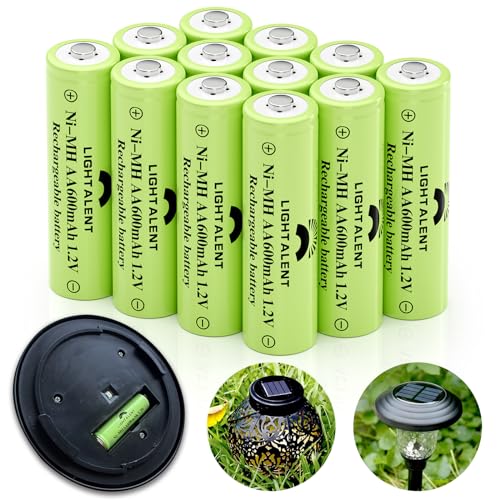
【Strong Performance】1.2-volt 600mAh AA Ni-MH rechargeable batteries,Package included: 12 x solar battery 1.2v ni-mh aa 600mAh

【 Rechargable and Money Saving 】 The rechargeable AAA battery can be constantly recharged 1200 times, saving you money on purchasing one-time use disposable alkaline batteries. Up to 5-year battery life for long-lasting power. Also less harmful to the environment than disposable batteries
Advantages of Using Regular Batteries
- Immediate Availability: Regular batteries are widely available in stores, making them easy to purchase when your solar lights need a quick fix.
- Lower Initial Cost: Standard batteries often cost less upfront compared to rechargeable options. This might be appealing for short-term or infrequent use.
- Simplicity: Installing regular batteries is straightforward. You can simply replace the old batteries without any complicated setup.
- Short Lifespan: Regular batteries discharge quickly, especially in devices designed for more efficient rechargeable power. This means you’ll replace them frequently.
- Inconsistent Performance: Regular batteries can’t provide the steady voltage required by solar lights, leading to dim lighting or failure to turn on altogether.
- Environmental Impact: Regular batteries aren’t as eco-friendly as rechargeable options. Discarding them regularly contributes to waste and can harm the environment.
- Poor Temperature Resistance: Regular batteries may underperform in extreme temperatures, further reducing their effectiveness in solar applications.
Opting for rechargeable batteries enhances the performance and longevity of your solar lights.
Best Practices for Battery Use in Solar Lights
Using the right batteries in solar lights ensures optimal performance and longevity. Follow these best practices for effective battery use:
Recommended Products

1.Attention: 2/3AAA 600mAh Rechargeable Battery,2/3AAA Battery size is 0.39 x 1.18 inch (10 x 30mm), Not Standard aaa size batteries, Please Check Your Solar Lights First

【Reliable Performance】12 X Ni-MH AA 600mAh 1.2v Rechargeable Battery,Ideal for garden solar lights. (This product does not include a charger)

【Included products】4*AA 600mAh 1.2v Ni-MH rechargeable batteries, AA 600mAh battery is 1.97 inches long and 0.55 inches wide. (Batteries only)
Choose the Right Battery Type
- Select rechargeable batteries like nickel-metal hydride (NiMH) or lithium-ion for solar lights.
- Check your solar light specifications to confirm compatibility before purchasing new batteries.
Regular Inspection
- Inspect batteries every few months for signs of corrosion or damage.
- Clean battery terminals to ensure a good connection, improving performance.
Proper Charging
- Fully charge batteries before first use.
- Avoid leaving solar lights in shaded areas for extended periods, as this limits sunlight exposure and charging.
Replace as Needed
- Replace batteries every 1-2 years, depending on usage and type.
- Monitor performance; if lights dim or flicker, it may signal the need for new batteries.
Store Batteries Correctly
- Store spare batteries in a cool, dry place.
- Avoid extreme temperatures, which can shorten battery life.
- Recycle old batteries at designated facilities.
- Check local regulations for proper disposal methods.
By adhering to these practices, you maximize your solar lights’ efficiency and ensure long-lasting illumination for your outdoor spaces.
Conclusion
Using regular batteries in your solar lights might seem like a quick fix but it’s not the best choice. While they’re easy to find and install they just don’t hold up in the long run. You’ll likely face issues with performance and lifespan.
Instead consider investing in rechargeable batteries designed for solar lights. They’ll not only enhance your lights’ efficiency but also save you money over time. By following the best practices for battery maintenance you can enjoy bright and reliable outdoor lighting for years to come. So go ahead and give your solar lights the boost they need with the right batteries for optimal performance.
Frequently Asked Questions
Can regular batteries be used in solar lights?
No, regular alkaline batteries are not suitable for solar lights. They have a short lifespan and can result in inconsistent performance. Instead, rechargeable batteries like NiMH or lithium-ion are recommended for better efficiency and longevity.
What are the advantages of using rechargeable batteries in solar lights?
Rechargeable batteries, such as NiMH and lithium-ion, offer longer charge retention, consistent voltage, and durability. They perform well in various temperatures and are more environmentally friendly compared to standard alkaline batteries.
How do solar lights work?
Solar lights use solar panels to convert sunlight into electrical energy through photovoltaic cells. This energy charges rechargeable batteries, enabling the lights to operate during nighttime or cloudy weather.
What are the drawbacks of solar lights?
Some drawbacks include dependency on weather conditions, limited battery lifespan, potential brightness issues, and risks of theft or damage. Regular maintenance is needed to ensure optimal performance.
What are best practices for maintaining solar light batteries?
Best practices include selecting the correct battery type, inspecting for damage, ensuring proper charging, replacing old batteries as needed, and storing them correctly. Recycling old batteries is also essential for environmental safety.
