

Ever wondered what powers those sleek electric cars zooming past you on the road? How do they store all that energy to keep you cruising for miles? Picture this: you’re driving down the highway, wind in your hair, knowing your electric car is not just eco-friendly but also high-performing. Curious about the magic behind it all? In this article, you’re about to uncover the secrets of what goes into making a battery for an electric car. Get ready to dive into the world of cutting-edge technology that’s changing the way we drive. Let’s unravel the mystery together, shall we?
The Basics of Electric Car Batteries
Delving into the world of electric car batteries, you’ll discover the heart of what powers these modern marvels. Understanding the basics can shed light on how these batteries work and what sets them apart from traditional fuel-powered vehicles.
Key Components of Electric Car Batteries
- Lithium-ion batteries are the go-to choice for electric vehicles due to their high energy density and rechargeability.
- Each battery pack consists of individual cells that store and release energy, working together to power the vehicle.
- Battery management systems regulate the temperature, voltage, and overall health of the battery to ensure optimal performance and longevity.
How Electric Car Batteries Work
- When you plug in your electric car, the onboard charger converts AC power from the grid to DC power to charge the battery.
- The battery then stores this energy, which is later used to power the electric motor that drives the vehicle.
- Regenerative braking allows the battery to recharge when the car slows down or stops, increasing efficiency and extending driving range.
Advantages of Electric Car Batteries
- Electric car batteries produce zero tailpipe emissions, reducing air pollution and greenhouse gas emissions.
- Lower maintenance costs compared to internal combustion engine vehicles, as electric cars have fewer moving parts and don’t require regular oil changes.
- Electric vehicles contribute to a more sustainable future by reducing our reliance on fossil fuels.
Looking Ahead
As advancements in battery technology continue to push the boundaries of what’s possible, the future of electric cars looks promising. Stay tuned for more exciting innovations that will shape the way we drive for years to come.
Components of Electric Car Batteries
When it comes to the components of electric car batteries, several key elements work together to power your vehicle efficiently. Here’s a breakdown of what goes into making these cutting-edge batteries:
- Cathode: This essential component is responsible for producing electrons during the battery’s discharge.
- Anode: The anode, on the other hand, accepts these electrons during discharge.
- Separator: Acting as a barrier between the cathode and anode, the separator prevents short circuits while allowing the flow of ions.
- Electrolyte: This conductive solution facilitates the movement of ions between the cathode and anode, enabling the battery to generate power.
- Cell Housing: The cell housing encapsulates these components and ensures the battery’s structural integrity and safety.
- Battery Management System (BMS): The BMS plays a crucial role in monitoring and controlling various aspects of the battery, such as temperature, voltage, and state of charge, to optimize performance and prolong its lifespan.
Understanding these components is key to grasping how electric car batteries function and deliver the impressive performance that powers the future of transportation.
Battery Chemistry: Key to Performance
Diving into the heart of electric car batteries, let’s explore the critical role of battery chemistry in powering your vehicle efficiently.
- Lithium-ion batteries are the powerhouse behind electric cars, known for their high energy density and long cycle life.
- The cathode material, often made of lithium cobalt oxide or lithium iron phosphate, determines the battery’s capacity and voltage.
- Meanwhile, the anode, typically composed of graphite, stores lithium ions when charging and releases them during discharging.
- The electrolyte, a conductive solution, allows the flow of ions between the cathode and anode, essential for battery operation.
In essence, understanding the chemistry behind electric car batteries is vital for optimizing performance, range, and longevity of your vehicle’s power source.
Manufacturing Process of Electric Car Batteries
When it comes to the Manufacturing Process of Electric Car Batteries, it involves several intricate steps that are essential for creating high-performance battery packs. Let’s delve into the key stages involved in producing these power sources:
- Cathode Preparation: The first step involves creating the cathode material, which is often a combination of nickel, manganese, and cobalt (NMC) or nickel, cobalt, and aluminum (NCA). This material’s composition significantly impacts the battery’s performance.
- Slurry Coating: After preparing the cathode material, it’s mixed into a slurry and coated onto a metal foil. This process ensures an even distribution of active materials on the foil, optimizing the battery’s efficiency.
- Anode Production: While the cathode is essential, so is the anode. Anodes are typically made of graphite that stores lithium ions during charging. The anode material directly affects the battery’s energy storage capacity.
- Electrolyte Injection: Next, manufacturers inject the right electrolyte into the cathode-anode assembly. The electrolyte allows ions to move between the cathode and anode, facilitating the battery’s charging and discharging processes.
- Assembly and Encapsulation: The cathode, anode, and electrolyte components are assembled together and sealed within a protective casing. This step is crucial for ensuring the battery’s integrity and safety during use.
- Formation and Testing: Before the batteries are ready for use, they undergo a formation process to stabilize performance. Quality testing is also conducted to verify the battery’s capacity, voltage, and overall functionality.
By understanding the meticulous Manufacturing Process of Electric Car Batteries, you gain insight into the intricate techniques that go into creating these vital components for electric vehicles.
Recommended Products

LONG LASTING PERFORMANCE: Panasonic CR2025 3.V batteries are engineered to provide reliable, long-lasting power
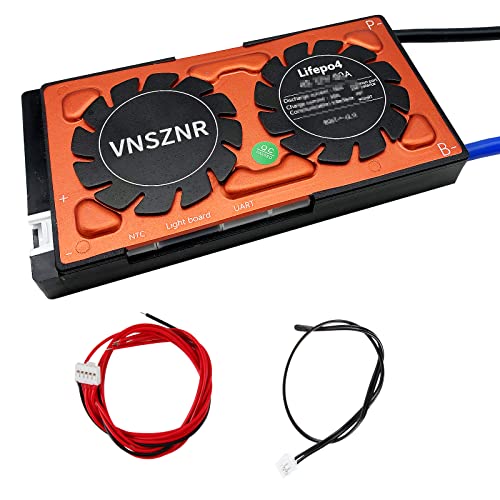
★【VNSZNR LiFePO4 BMS】The BMS was be manufactured by high quality Mos and IC. Keep your battery long cycle service life time. Extreme low power consumption. The consumption of the whole device is less than 50uA.

INTELLIGENT CHIP PRIMECOMTECH designs its own SMART chargers electronic circuitry-intelligent Chip & software here in the USA, unlike other chargers which dump all the current at once. PRIMECOMTECH EV Chargers communicate with your EV via the data connection port to gather 6 different types of data such as, ambient and battery temperature, EVs current battery level, Battery Capacity, etc. to automatically adjust the voltage to get the longer / most life expectancy from your battery.
Future Innovations in Electric Car Battery Technology
Electric car battery technology is constantly evolving to meet the demands of the automotive industry and consumers. Innovations in this field not only aim to enhance performance but also focus on crucial aspects such as efficiency, durability, and sustainability. Here are some key advancements shaping the future of electric car batteries:
- Solid-State Batteries: These batteries use a solid electrolyte instead of the liquid or gel electrolytes found in traditional lithium-ion batteries. Solid-state batteries offer higher energy density, faster charging rates, and improved safety compared to conventional options.
- Silicon Anodes: By incorporating silicon into the battery anode, researchers aim to increase energy storage capacity significantly. Silicon anodes have the potential to double or even triple the energy density of lithium-ion batteries, paving the way for longer driving ranges in electric vehicles.
- Advanced Cathode Materials: Innovations in cathode materials, such as nickel-rich compositions, are improving battery performance by increasing energy density and stability. These advancements help extend the lifespan of electric car batteries and reduce overall costs.
- Wireless Charging Technology: Imagine charging your electric car simply by parking it over a designated wireless charging pad. This convenient and efficient charging method is becoming a focal point for future electric vehicle infrastructure, offering a seamless and hassle-free charging experience for users.
- Battery Recycling Initiatives: To address environmental concerns and reduce the carbon footprint of electric vehicles, recycling programs and initiatives are being developed to repurpose and reuse materials from old or worn-out batteries.
Conclusion
You’ve now gained insight into the intricate world of electric car battery production. From the crucial role of battery chemistry to the meticulous manufacturing process, each step plays a vital part in enhancing performance and longevity. The future of electric car batteries looks promising with innovations like solid-state batteries, silicon anodes, advanced cathode materials, wireless charging, and sustainable recycling initiatives. These advancements are paving the way for more efficient, safer, and environmentally friendly electric vehicles. Keep an eye on the horizon for exciting developments in this ever-evolving technology.
Frequently Asked Questions
What is the importance of battery chemistry in electric car batteries?
Battery chemistry plays a crucial role in determining the performance, energy density, and longevity of electric car batteries. Different chemistries such as lithium-ion, solid-state, and silicon anodes offer varying benefits in terms of efficiency, storage capacity, and safety.
What are the key stages in the Manufacturing Process of Electric Car Batteries?
The key stages in the manufacturing process of electric car batteries include cathode preparation using materials like nickel, manganese, and cobalt, slurry coating for efficiency, anode production with graphite, electrolyte injection for ion movement, assembly for integrity, and formation/testing for performance stability.
What future innovations are expected in electric car battery technology?
Future innovations in electric car battery technology include advancements like solid-state batteries for higher energy density and safety, silicon anodes for increased storage capacity, advanced cathode materials for improved performance and cost reduction, wireless charging technology for convenience, and battery recycling initiatives for sustainability and environmental impact reduction.
