

Ever found yourself in a rush only to discover your car won’t start due to a low battery? Frustrating, right? You’re not alone. It’s a common issue that can throw a wrench in your plans. But fret not, we’ve got your back! In this article, we’ll unravel the mystery behind why your car refuses to start when the battery is low.
Common Causes of Low Battery
Car not starting due to a low battery can be frustrating, but understanding the common causes can help prevent future issues. Here are some factors that can lead to a low battery situation:
- Age of the Battery: Over time, batteries naturally degrade, affecting their ability to hold a charge.
- Parasitic Drain: Leaving interior lights, electronics, or other components on when the engine is off can drain the battery.
- Extreme Temperatures: Weather conditions, especially cold temperatures, can impact the battery’s performance.
- Faulty Charging System: Issues with the alternator or charging system can prevent the battery from fully recharging.
- Short Trips: Not driving the car frequently or only taking short trips may not give the battery enough time to recharge fully.
Understanding these common causes can help you take proactive steps to maintain your vehicle’s battery health and ensure a smoother driving experience.
Signs of a Low Battery
When dealing with a low battery in your car, there are several common signs to watch out for. Recognizing these signs early can help you address the issue before it leads to a car not starting situation. Here are some key indicators to be aware of:
- Dim headlights and interior lights: If you notice lights in your car appearing dimmer than usual, it could be a sign of a low battery.
- Slow engine crank: When you turn the key in the ignition and the engine takes longer than usual to start, it may indicate a weak battery.
- Dashboard warning lights: Keep an eye out for battery-related warning lights on your dashboard. These indicators can signal a battery issue.
- Difficulty starting the car: If you experience struggles starting your car, especially in the mornings or after the vehicle has been sitting for a while, it might be due to a low battery.
- Electrical issues: Problems with power windows, radio, or other electrical components can sometimes point to a battery problem.
Remember, being proactive and addressing these signs early can help you avoid the inconvenience of a car not starting due to a low battery.
How a Low Battery Affects Starting
When you have a low battery in your car, it affects the starting process, causing frustration and delays.
Here’s how a low battery impacts starting:
- Reduced Cranking Power: With a low battery, the engine doesn’t get enough power to start promptly.
- Slow Engine Ignition: A weak battery leads to a sluggish ignition process, making the car slower to start.
- Diminished Electrical System Efficiency: A low battery affects the overall efficiency of your car’s electrical system, impacting the starting mechanism.
Remember, addressing a low battery promptly can prevent the inconvenience of your car not starting.
Recommended Products
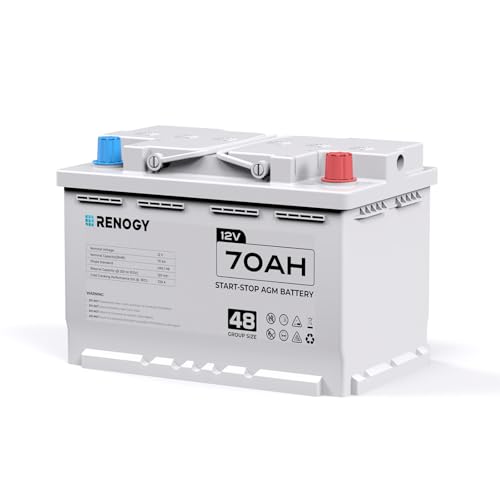
Reliable Safety Design: Renogy car battery sealed 12V 70Ah lead-acid battery minimizes the risk of acid leaks and corrosion, ensuring safe and dependable performance for everyday driving needs.

✅Batter dimensions: 12.4" L x 6.89" W x 7.48" H, Terminal: Tapered terminal (Left negative (-), Right positive (+)). ✅Please ensure to verify the dimensions and terminal position before making a purchase to guarantee compatibility with your vehicle to avoid any fitment issues.
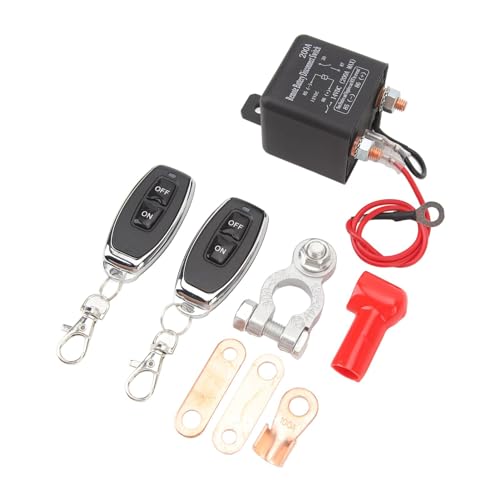
Convenient : Easily the car power system with the included remote controller, without having to open the hood.
Steps to Take When Car Doesn’t Start
What should you do if your car doesn’t start? Here are some essential steps to get you back on the road:
- Check the Battery Connections: Ensure that the battery terminals are clean and tightly connected. Loose or corroded connections can prevent your car from starting.
- Attempt a Jump Start: If you have jumper cables and another vehicle, you can try jump-starting your car. Follow the correct procedure to avoid damaging the electrical systems.
- Listen for Clicking Noises: A clicking sound when you turn the key could indicate a weak battery or starter issue. Seek professional help if the clicking persists.
- Inspect the Dashboard Lights: Pay attention to the dashboard lights when you turn the key. Dim or flickering lights may suggest a battery problem.
- Try Turning the Steering Wheel: Sometimes, a locked steering wheel can prevent the car from starting. Gently turn the wheel while attempting to start the vehicle.
- Contact Roadside Assistance: If none of the above steps work, it might be time to call for roadside assistance. Trained professionals can diagnose the issue and help you get back on track.
| Important Tips |
|---|
| 26% of car breakdowns are due to battery-related issues. |
| The average car battery lasts 3-5 years. |
| Regularly checking your battery’s health can prevent unexpected breakdowns. |
Preventing Low Battery in the Future
When it comes to maintaining a healthy car battery, there are several proactive steps you can take to prevent the inconvenience of a low battery causing your car not to start. Here are some key tips to consider:
- Regular Inspections: Make it a habit to check and clean your battery terminals every three to six months. Accumulated dirt and corrosion can impact the battery’s performance.
- Driving Habits: Short, frequent trips can drain your battery faster than longer drives. If possible, try to take your car for a regular longer excursion to keep the battery charged.
- Avoiding Accessories: Be mindful of leaving accessories plugged in when the engine is off. These can slowly drain the battery over time, leading to a potential starting issue.
- Battery Testing: Consider periodically testing your battery’s health, especially if it’s more than three years old. Many auto shops offer complimentary battery checks that can give you valuable insights.
- Investing in a Trickle Charger: If you have a vehicle that you don’t drive regularly, such as a classic car or RV, a trickle charger can help maintain your battery’s charge levels. It’s a small investment that can save you a headache down the road.
Recommended Products

Fleet and Vehicle Maintenance

Quantity: comes with 10 pieces battery anti-corrosion washers(5 red & 5 green) and 2pcs Battery Terminal Cleaning Brush.

All-In-One - The ultimate battery terminal cleaning kit provides all the tools to clean and protect your battery from battery corrosion.
Conclusion
Remember, taking care of your car’s battery is essential for ensuring your vehicle starts smoothly every time. By following the proactive tips outlined in this article, you can prevent low battery issues and avoid the frustration of a car that won’t start. Regular maintenance, cautious use of accessories, and investing in a trickle charger for infrequently used vehicles are simple steps that can make a big difference. Stay proactive, keep your battery healthy, and enjoy a hassle-free driving experience.
Frequently Asked Questions
What should I do if my car doesn’t start?
If your car doesn’t start, first check the battery connections for corrosion or looseness. Attempt a jump start if needed.
How can I prevent low battery issues in the future?
To prevent low battery issues, regularly inspect and clean battery terminals, avoid draining the battery with short trips, be cautious with accessories that can drain the battery, periodically test the battery’s health if it’s over three years old, and consider investing in a trickle charger for infrequently used vehicles.
