

Ever wondered how healthy your Tesla’s battery really is? Picture this: you’re cruising down the road, but uncertainty nags at you. How do you check your Tesla’s battery health? Don’t fret – we’ve got you covered! In this article, you’ll discover simple yet effective ways to monitor your Tesla’s battery health like a pro.
Are you tired of guessing whether your Tesla’s battery is in top shape? Say goodbye to the guesswork! By the end of this article, you’ll be equipped with the knowledge to easily assess your Tesla’s battery health. Get ready to drive confidently, knowing your battery is performing at its best.
Why Monitoring Tesla Battery Health is Important
- Prolong Battery Life: Regular monitoring helps extend your Tesla’s battery lifespan.
- Optimize Performance: Ensuring good health maintains the car’s overall performance.
- Prevent Issues: Early detection can prevent costly battery problems.
- Peace of Mind: Knowing your battery’s health provides confidence on long drives.
- Driving Range: Healthy batteries mean consistent driving range.
Invest a few minutes into monitoring your Tesla’s battery health to enjoy the long-term benefits it brings.
Methods to Check Tesla Battery Health
Checking your Tesla’s battery health is crucial for maintaining its longevity and performance. Here are some methods you can utilize:
- Tesla Mobile App: You can easily monitor your battery health through the Tesla mobile app. It provides real-time data on your battery status, including charge level, range estimate, and energy consumption.
- Touchscreen Display: Your Tesla’s touchscreen also offers insights into your battery health. Navigate to the Energy tab to view details such as energy consumption, efficiency, and charging history.
- Third-Party Apps & Tools: Explore third-party apps and tools that specialize in Tesla battery health monitoring. These applications might offer additional features and in-depth analysis of your battery performance.
- Consult Tesla Service Center: If you have any concerns about your battery health, consulting your nearest Tesla service center can provide professional guidance and assistance in evaluating your battery’s condition.
Keep a close eye on your Tesla’s battery health using these methods to ensure optimal performance and longevity.
Recommended Products
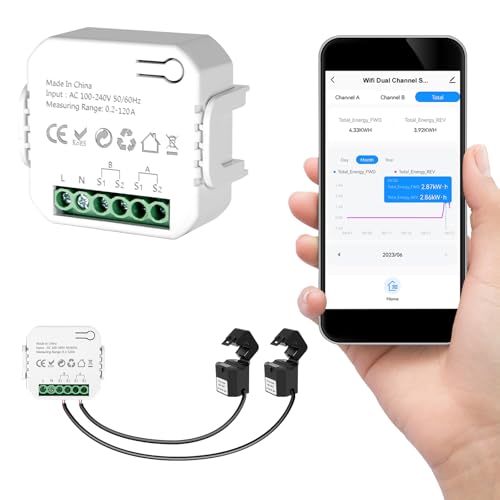
【Dual-Channel Energy Monitoring】 This smart home energy monitor features two independent high-capacity sensing channels, allowing you to track real-time electricity usage of major household circuits and high-power appliances such as central air conditioners, EV chargers, water heaters, and electric dryers.

【Dual-Channel Energy Monitoring】This smart home energy monitor features two independent 80A sensing channels, allowing you to track real-time electricity usage of major household circuits and high-power appliances such as air conditioners, furnaces, water heaters, washers, and dryers.

【Ready for Tesla】This tire pressure monitoring system sensor specially made for BLE Bluetooth Tesla application needs no programming or calibration. Just install BLE Bluetooth tire pressure monitoring system sensors on wheels, and they will automatically connect with your Tesla
Tips for Maintaining Tesla Battery Health
- Regular Charging Habits: Stick to 80% daily charging for regular use.
- Avoid Deep Discharges: Try not to let the battery drop below 20%.
- Optimal Storage: When not in use for an extended period, keep the battery level around 50%.
- Manage Extreme Temperatures: Avoid exposing your Tesla to very high or low temperatures.
By following these simple tips, you can ensure that your Tesla’s battery remains healthy and performs optimally.
Recommended Products
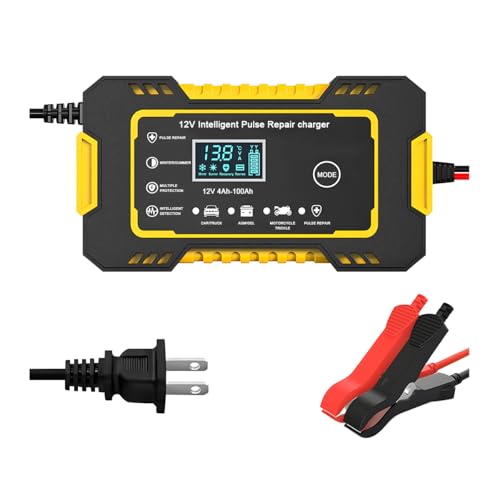
High Quality Material: This car battery charger is made of high quality, high strength ABS material. The high quality ABS material offers superior durability, heat resistance and impact protection, ensuring long-lasting performance in variable weather. Flame retardants have been added to the ABS material to make the charging process safer for your peace of mind.

【Pulse Repair】: This advanced battery charger features intelligent diagnostic capabilities to automatically identify common battery issues like sulfation and acid stratification. Utilizing a sophisticated pulse repair technology, it works to break down sulfate crystals and restore lost battery capacity. This process actively contributes to reviving underperforming batteries and extending their usable lifespan, offering a smart maintenance solution that helps postpone the need for a replacement, all through a simple, user-initiated process.
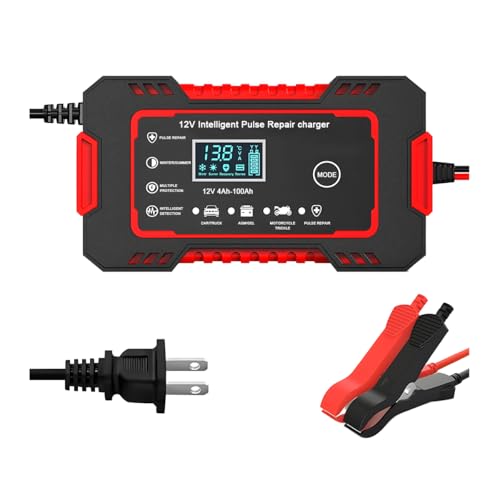
High Quality Material: This car battery charger is made of high quality, high strength ABS material. The high quality ABS material offers superior durability, heat resistance and impact protection, ensuring long-lasting performance in variable weather. Flame retardants have been added to the ABS material to make the charging process safer for your peace of mind.
Conclusion
Now that you’re equipped with various methods to monitor your Tesla’s battery health and valuable tips to maintain its longevity, you’re all set to ensure your vehicle’s optimal performance. By utilizing the Tesla mobile app, exploring insights through the touchscreen display, considering third-party apps, and seeking advice from the Tesla service center, you have the tools to keep your battery in top condition. Remember to adhere to the recommended charging practices, avoid deep discharges, maintain an optimal battery level during periods of non-use, and manage extreme temperatures. With these strategies in place, you can enjoy a well-maintained Tesla battery that supports your vehicle’s performance for years to come.
Frequently Asked Questions
How can I monitor my Tesla’s battery health?
You can monitor your Tesla’s battery health by using the Tesla mobile app to access real-time data, checking insights on the touchscreen display, utilizing third-party apps for detailed analysis, or consulting the Tesla service center for professional guidance.
What are some tips for maintaining Tesla battery health?
Maintain Tesla battery health by charging up to 80% daily, avoiding deep discharges below 20%, keeping the battery level around 50% during extended non-use periods, and managing extreme temperatures. These practices can help optimize performance and longevity of the battery.
