

Ever hopped into your car, turned the key, and… nothing? It’s like the start of a bad joke, but the punchline isn’t so funny when you’re running late. You’re not alone in facing the frustration of a car that won’t turn on, even though the battery seems fine. It’s a head-scratcher that can leave you feeling stranded and scratching your head.
Check for Dashboard Lights
When your car won’t start but the battery seems fine, it’s time to Check for Dashboard Lights. These indicators can provide valuable information about the issue at hand.
- Turn the key in the ignition and pay attention to the dashboard.
- Look for any warning lights that stay on or flash. These could give clues about the underlying problem.
If you notice any unusual dashboard lights, try to identify what they represent using your car manual or by searching online. Certain lights might signal issues like the immobilizer system or engine problems.
| Dashboard Light | Meaning |
|---|---|
| Check engine light | Engine system issue |
| Battery light | Charging system problem |
| Oil pressure light | Low oil pressure |
| ABS light | Anti-lock brake system |
Acting promptly when dashboard lights illuminate can help you address potential problems early.
Inspect the Starter
When dealing with a car that won’t start even though the battery is fine, the starter could be the culprit. The starter is responsible for initiating the engine’s operation, and if it fails, your vehicle won’t start. Here’s what you can do to inspect the starter:
- Listen for a Click: When you turn the key and hear a clicking noise but the engine doesn’t crank, it might indicate a faulty starter.
- Check the Connections: Loose or corroded connections can prevent the starter from functioning correctly. Inspect the cables and wires for any signs of damage.
- Tap the Starter: In some cases, gently tapping the starter motor with a tool while someone else turns the ignition can jolt it into action temporarily.
- Testing the Starter: If you have the necessary tools and expertise, you can perform a more thorough test of the starter to determine if it’s working as it should.
Remember, a malfunctioning starter can mimic other issues, so it’s essential to inspect it thoroughly. If you suspect a problem with the starter, consider seeking professional assistance for a detailed diagnosis.
Recommended Products

Scope of application: The spark plug tester is universal and suitable for testing and troubleshooting small or large internal/external engines such as engines, trucks, automobiles, lawn mowers, marine engines and motorcycles. It is the preferred product in any personal or professional machinery store or automobile garage.

【Reliable Automotive Car Battery Tester】 KW208 is the most cost-effective battery load tester compared to other brands, it has all the functions you need and the lowest cost that you can afford. KW208 can test all 12V batteries(100-2000CCA) including regular flooded, AGM flat plate, AGM spiral or gel batteries. Provide overall analysis of batteries’ condition and help you know their status in advance before it dies. KW208 battery analyzer supports cranking and charging system tests also alternator and starter test. Conveniently store this car battery tester for batteries in your glove box or garage, ready for use whenever needed.

Engine Spark Plug Tester: Spark plug ignition tester can quickly diagnose ignition and engine problems and defects, troubleshooting spark plug connections, contact points, damaged cables wait. This is a practical diagnostic tool for any engine with spark plugs
Examine the Alternator
When your car won’t turn on even though the battery seems fine, it’s time to look at the alternator. The alternator plays a crucial role in charging the battery while your vehicle is running. Here are some steps to Examine the Alternator:
- Check the Belt: Make sure the alternator belt is not loose or worn out.
- Test the Voltage: Use a multimeter to check the voltage output of the alternator. It should typically be around 13.5 to 14.5 volts when the engine is running.
- Inspect Connections: Ensure all wiring connections to the alternator are secure and free of corrosion.
- Listen for Strange Noises: A failing alternator may produce unusual noises, like a grinding or whining sound.
- Look for Warning Lights: Keep an eye on your dashboard warning lights, such as the battery light, which may indicate an issue with the alternator.
Remember, a malfunctioning alternator can affect your car’s electrical system and may lead to a dead battery. By examining the alternator, you can diagnose potential issues early and ensure your vehicle runs smoothly.
Recommended Products

Catch Battery Problems Early: Featured in two videos by Project Farm, a popular YouTube channel with millions of subscribers, the ANCEL BA101 helps you quickly spot battery issues before they leave you stranded. It provides easy-to-understand readings for State of Health (SOH), State of Charge (SOC), voltage, current, CCA, plus cranking and charging system tests, so you can better understand your battery and help avoid unexpected breakdowns

【PRECISE READOUTS & CLEAR DIGITAL DISPLAY】Bright LED display shows highly clear readings in any lighting condition, 0.1V resolution gives you reliable indication and shows you the voltage number easily & quickly. Bidirectional light emitting diode on the circuit board for easy battery load testing, red light indicates positive polarity, green light indicates negative polarity.

Additional Tips - The following incorrect operations may cause the multimeter not to show results: Firstly, the plugs of test leads are not fully inserted or not inserted into the correct sockets. Secondly, the manual rotary switch is not placed in the correct position. In addition, this meter can not test all AC Current and below 100mV AC Voltage. Please check the user manual carefully before measurement.
Test the Ignition Switch
When your car won’t start and the battery seems fine, the issue could be with the ignition switch. Here’s what you can do to test it:
- Check the lights: If the dashboard lights turn on, the battery is likely not the problem, and you should focus on the ignition switch.
- Try different positions: Gently move the key in the ignition and see if there’s any response.
- Listen for sounds: Turn the key while listening for any clicking or grinding noises, as this could indicate an issue with the ignition switch.
- Inspect for damage: Look for any visible signs of wear or damage on the ignition switch.
If after testing the ignition switch you still face issues, further inspection by a professional mechanic might be necessary.
Recommended Products
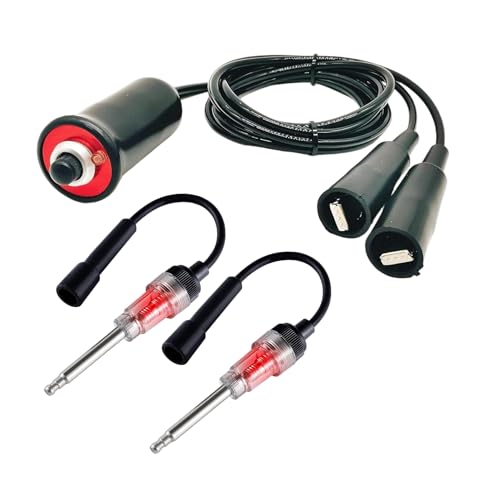
2-IN-1 COMPLETE ENGINE DIAGNOSTIC KIT: Including 1 heavy-duty remote starter switch and 2 inline spark plug testers, solving the entire process from ignition testing to remote start testing

Pitch Adjustment Function: The spark plugs tester is equipped with a pitch adjustment valve and a round knob, which can adjust the observation pitch of the spark plugs according to the needs of different car models, and at the same time can effectively avoid the occurrence of misfire and burnt ignition coils

【Main Function】The OBDEMOTO 101 detector is using advanced technology from Germany, it can collect and analyze signals under non-dismantle automotive electrical parts. Testing results are showed by LED indicator and beeper.
Conclusion
If your car won’t start despite having a good battery, the alternator could be the culprit. Remember, the alternator plays a crucial role in keeping your battery charged while you’re on the road. By following the steps outlined in this article, such as checking the belt, testing voltage output, and inspecting connections, you can diagnose potential issues with your alternator. Don’t forget to also consider testing the ignition switch if problems persist. Early diagnosis is key to maintaining a healthy electrical system in your vehicle. Remember, if you’re ever unsure or if issues continue, it’s always best to seek the expertise of a professional mechanic. Keep your car running smoothly by staying proactive and addressing any concerns promptly.
Frequently Asked Questions
Why is my car not starting even with a good battery?
If your car won’t start despite having a good battery, the alternator may be the issue. The alternator is responsible for charging the battery while the vehicle is running.
How can I check if the alternator is causing the problem?
You can examine the alternator by checking the belt, testing voltage output, inspecting connections, listening for unusual noises, and watching for warning lights on the dashboard.
What could happen if the alternator is malfunctioning?
A malfunctioning alternator can impact the car’s electrical system, leading to a dead battery. Early diagnosis is crucial for ensuring smooth vehicle operation.
What should I do if the battery is fine but the car still won’t start?
If the battery is okay but the car won’t start, consider testing the ignition switch. Check dashboard lights, try different key positions, listen for odd sounds, and look for visible damage. If issues persist, consult a professional mechanic.
