

Have you ever wondered if you can boost your existing solar system by adding batteries? You’re not alone. Many homeowners are looking for ways to enhance their solar setups, especially with rising energy costs and the push for sustainability.
Imagine enjoying the benefits of solar power even when the sun isn’t shining. Adding batteries can store excess energy for those cloudy days or nighttime use, making your system more efficient and reliable. This article will walk you through the possibilities of integrating batteries into your current solar setup and the advantages it can bring to your energy independence.
Key Takeaways
- Energy Independence: Adding batteries to your solar system increases your energy independence, allowing you to utilize stored solar energy during nighttime or cloudy days, reducing reliance on the grid.
- Cost Savings: Integration of batteries can significantly lower electricity bills by enabling you to store and use solar energy during peak rate hours, along with potential local incentives that may offset installation costs.
- Compatibility Matters: Before adding batteries, assess compatibility with your existing solar inverter and overall system components to ensure seamless integration.
- Proper Sizing: Accurately sizing your battery based on daily energy consumption is essential for maximizing efficiency and ensuring the system meets your energy needs.
- Choose the Right Battery: When selecting a battery, consider factors such as battery type (lithium-ion vs. lead-acid), capacity, and compatibility with your current solar setup for optimal performance.
- Professional vs. DIY Installation: Decide whether to hire professionals for installation or tackle it as a DIY project, weighing the benefits of expert knowledge against potential cost savings.
Understanding Solar Systems
Solar systems consist of several key components that work together to convert sunlight into usable energy. These components include solar panels, inverters, batteries, and other apparatus such as charge controllers and mounting systems.
Solar Panels
Solar panels capture sunlight and convert it into electricity. They come in various types, including monocrystalline, polycrystalline, and thin-film. Each type has unique efficiency ratings and costs, impacting overall system performance.
Inverters
Inverters play a crucial role by converting direct current (DC) energy generated by solar panels into alternating current (AC) energy, which is used in homes. There are three primary inverter types: string inverters, microinverters, and power optimizers. Each type offers different advantages based on system size and configuration.
Batteries
Batteries store excess energy generated during the day for use at night or on cloudy days. When adding batteries to an existing solar system, consider factors like compatibility with current components, battery type (lithium-ion or lead-acid), and expected energy storage needs. This storage capacity directly influences how efficiently you can utilize solar power.
Charge Controllers
Charge controllers regulate the charging of batteries, preventing overcharging and prolonging battery life. Common types include pulse width modulation (PWM) and maximum power point tracking (MPPT), each offering varying levels of efficiency and functionality.
Installation
When integrating batteries into an existing solar system, evaluate your current setup. Ensure compatibility between new batteries and existing inverters. It’s also essential to understand local regulations and incentives related to battery installation, which can vary significantly by area.
Energy Independence
Adding batteries enhances energy independence, allowing you to rely less on grid electricity. This setup can significantly lower electricity bills and provide power during outages, contributing to a more sustainable energy solution.
Maintenance
Regular maintenance of your solar system ensures optimal performance. Check all components periodically, clean solar panels, and monitor battery health. This diligence can extend the life of your system and maintain efficiency.
Understanding these essential components of solar systems prepares you for effectively adding batteries, maximizing your energy independence, and benefiting from renewable energy.
Benefits of Adding a Battery
Adding a battery to your existing solar system provides numerous advantages that enhance your energy efficiency and independence. Below are some key benefits that you can expect from this integration.
Recommended Products
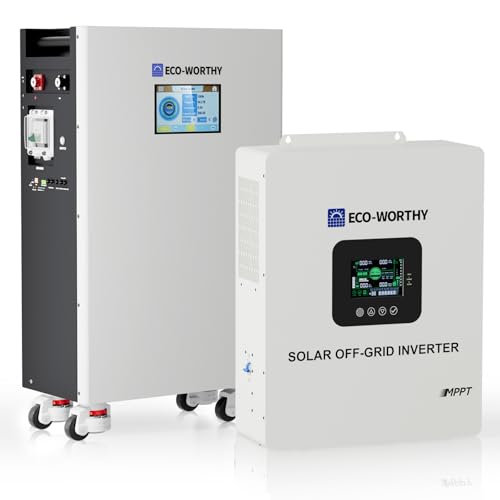
High-Capacity Home Backup: This ECO-WORTHY home backup system combines a single 48V 314Ah LiFePO4 battery (16.1kWh) with a 5kW split-phase inverter, delivering stable, high-capacity power. The battery supports seamless integration into expanded systems for larger energy needs

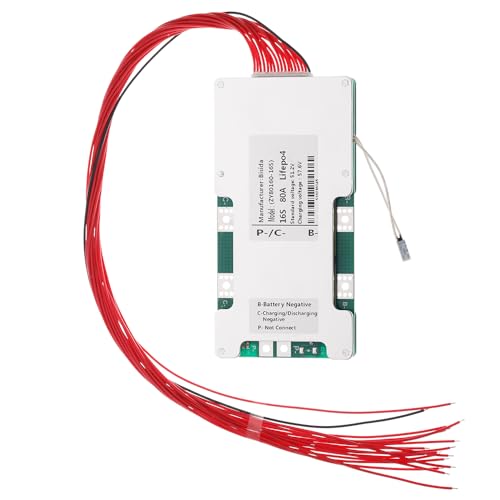
MULTIPLE PROTECTION Bisida's BMS has a variety of protection functions, such as over charge protection, over discharge protection, over current protection, short-circuit protection, temperature protection, Downtime protection,Voltage balance(passive balance), etc.
Energy Storage Advantages
Energy storage enables you to harness excess solar energy generated during sunny periods. Batteries store this energy for later use, ensuring you access power during cloudy days or at night. For example, if your solar panels produce more energy than you consume during the afternoon, your battery will capture that energy. Later, when the sun isn’t shining, you’ll still have power available, reducing reliance on the grid and improving your home’s energy resilience.
Cost Savings and Incentives
Integrating a battery can lead to significant cost savings on your electricity bills. By using stored energy during peak hours when utility rates are highest, you minimize expenses. You can also take advantage of local incentives, such as rebates or tax credits, which may offset the initial investment in battery technology. Many states offer programs that incentivize solar battery installations, making this upgrade more financially viable. Check with your local energy provider or government website to learn what programs you can access in your area.
Considerations Before Adding a Battery
Adding a battery to an existing solar system involves careful evaluation of several key factors. Consider these aspects to ensure a successful integration.
Compatibility with Existing Systems
Compatibility plays a crucial role in the process. Check whether your current solar inverter supports battery integration. Some inverters only work with specific battery types. Ensure the battery system matches your solar panel output and local grid requirements. Research modular battery options for easy integration, and consult with a solar technician if uncertain.
Sizing Your Battery
Sizing your battery correctly is vital for optimal performance. Calculate your daily energy usage by reviewing past electricity bills. Consider how much energy your solar panels generate. A good rule of thumb is to aim for enough battery capacity to cover at least one day’s worth of usage. Use online calculators or seek professional advice to determine the right size. Keep in mind that larger batteries may increase initial costs but can lead to greater energy savings over time.
Installation Process
Integrating a battery into your existing solar system involves several key steps. Following a structured approach simplifies the process and ensures compatibility and effectiveness.
Choosing the Right Battery
Selecting the appropriate battery is crucial for the success of your solar system upgrade. Consider the following factors:
- Battery Type: Lithium-ion batteries offer longevity and efficiency. Lead-acid batteries are typically cheaper but have a shorter lifespan. Choose based on your budget and energy needs.
- Capacity: Calculate your daily energy consumption to determine how much storage capacity you need. For instance, if your home uses 30 kWh per day, a battery with a capacity of at least that amount is necessary.
- Compatibility: Verify that the battery works with your existing inverter and solar panels. Check specifications to ensure proper functionality and avoid issues down the line.
Professional vs. DIY Installation
You can either hire professionals or install the battery system yourself. Both options have distinct benefits:
- Professional Installation:
- Ensures safety and compliance with regulations.
- Saves time, as experts handle the entire process.
- Often includes a warranty and support for troubleshooting.
- DIY Installation:
- Provides a hands-on experience that can be rewarding.
- Saves money on labor costs.
- Requires research on installation techniques and safety practices.
Evaluate your comfort level with electrical work before deciding. If you opt for DIY, utilize online resources and guides specific to your battery model for step-by-step instructions.
Conclusion
Adding a battery to your existing solar system can be a game changer. It not only boosts your energy independence but also helps you make the most of your solar investment. By storing excess energy, you can rely less on the grid and enjoy significant savings on your electricity bills.
Before diving in, just make sure to evaluate compatibility with your current setup and consider your energy needs. Whether you choose professional installation or a DIY approach, you’ll be well on your way to a more efficient and resilient energy solution. Embracing this upgrade means taking a step towards a sustainable future while enjoying the benefits of renewable energy right at home.
Frequently Asked Questions
What are the benefits of adding batteries to my solar system?
Adding batteries to your solar system allows you to store excess energy for use during cloudy days or at night. This enhances energy independence, reduces reliance on the grid, and can lower your electricity bills by allowing you to use stored energy during peak hours.
How do solar panels and batteries work together?
Solar panels convert sunlight into electricity, which can be used immediately or stored in batteries for later use. Batteries store this excess energy, providing power during times when solar production is low, such as at night or on cloudy days.
What should I consider before adding a battery to my solar system?
Before adding a battery, consider compatibility with your existing solar inverter and ensure the battery size matches your daily energy usage. Evaluating local regulations and available incentives, like rebates or tax credits, is also crucial in planning your investment.
Can I install a battery in my solar system myself?
While DIY installation is possible, hiring a professional ensures safety, compliance, and optimal system performance. Weigh the cost savings of DIY against the benefits of expert installation to determine the best option for your needs.
How do I maintain my solar battery system?
Regular maintenance includes checking battery connections, monitoring performance, and ensuring charge controllers are functioning properly. This helps extend the lifespan and efficiency of your solar battery system.
