

Are you unsure about what size cable to use between your solar controller and battery? You’re not alone. Many people overlook this crucial detail, which can lead to inefficiencies or even damage to your system.
Key Takeaways
- Select Proper Cable Size: The right cable size is crucial for efficiency and safety in solar systems; avoid overheating and energy loss by using appropriately sized cables.
- Consider Cable Length: Longer cable runs necessitate thicker wires to reduce voltage drop and maintain efficient energy transfer.
- Evaluate Current Rating: Ensure the chosen cable can handle the expected maximum current to prevent overheating and maintain safety standards.
- Material Matters: Copper cables offer superior conductivity and durability, while aluminum cables are more cost-effective but require larger gauges to handle the same current.
- Use Calculators and Charts: Employ voltage drop calculators and AWG charts to determine the right cable size based on your system’s specific needs.
- Plan for Expansion: When selecting cable size, consider future system expansion to avoid the need for rewiring later.
Understanding Solar Systems
Solar systems involve several components, including solar panels, controllers, batteries, and inverters. Each plays a vital role in the energy conversion and storage process. Understanding how these parts interact helps you make informed decisions about your system’s efficiency.
Components of a Solar System
- Solar Panels
Solar panels capture sunlight and convert it into electricity. - Charge Controller
A charge controller regulates the flow of electricity from the solar panels to the battery, ensuring proper charging. - Batteries
Batteries store energy for use during non-sunny periods, allowing for continuous power supply. - Inverter
An inverter transforms the direct current (DC) from batteries into alternating current (AC) suitable for household appliances.
Cable Size Considerations
Selecting the correct cable size from the solar controller to the battery is crucial for optimal performance. This size depends on several factors, including:
- Length of the Cable Run
Longer runs require thicker cables to reduce voltage drop. - Current Rating
Cables must handle the maximum current without overheating. - Type of Cable
Use high-quality, stranded copper cables for better flexibility and conductivity.
Practical Wiring Tips
- Calculate the Current
Use the formula: Current (amps) = Total Wattage / Voltage (volts) to determine the maximum current. - Use Voltage Drop Calculator
A voltage drop calculator can help you find the right cable size based on distance and load. - Follow NEC Guidelines
The National Electrical Code (NEC) provides standards that ensure safety and performance. - Consider Future Expansion
Overestimating your cable size accommodates future system growth, reducing the need for rewiring.
- What happens if I use the wrong cable size?
Using inadequate cable sizes may lead to heating issues, reducing efficiency, and increasing fire risk. - How do I determine the best gauge for my setup?
Refer to detailed charts or online calculators that correlate current, cable length, and gauge size.
By understanding how your solar system components work together and carefully selecting cable sizes, you enhance the system’s efficiency and safety.
Importance Of Cable Size
Selecting the right cable size is vital for your solar system’s efficiency and safety. Proper cable size helps prevent energy loss, overheating, and potential damage to components.
Voltage Drop Considerations
Voltage drop occurs when the electrical energy diminishes as it travels through the cable. This drop can lead to inefficient energy transfer, affecting your system’s performance. Aim for a voltage drop of less than 3% for optimal efficiency. For longer cable runs, consider using a thicker gauge cable to mitigate voltage drop. For example, if your solar controller is 20 feet from your battery, a 10 AWG wire reduces voltage drop better than 12 AWG wire.
Current Carrying Capacity
The cable’s current-carrying capacity indicates how much current it can handle without overheating. Cables should be sized based on the maximum current they will carry, considering ambient temperature and insulation type. Use the American Wire Gauge (AWG) chart as a guideline. Typically, a 10 AWG copper wire can handle up to 30 amps, while a 12 AWG wire is suitable for up to 20 amps. For systems with high current loads, always opt for a thicker gauge cable to avoid overheating and enhance safety.
Determining Cable Size
Choosing the right cable size between your solar controller and battery is crucial for a safe and efficient solar system. Factors such as cable length, current capacity, and wire material play significant roles in determining the correct gauge.
Recommended Products

10AWG Wire Tinned Copper Tray Extension Cable to connect the charge controller to the battery, also can be used as solar wires with tools to cut and crimp with new connectors.Widely used for solar panels, marine, automotive, RVs, Lawn mower,camper and inverter wiring.

8AWG Tinned Copper Wire -- MOOKEERF solar battery cable is made of larger diameter 8AWG tinned copper wire which is minimize power loss in solar panel systems, the inner conductor consists of 140 tin-plated copper, well constructed and good conductive.
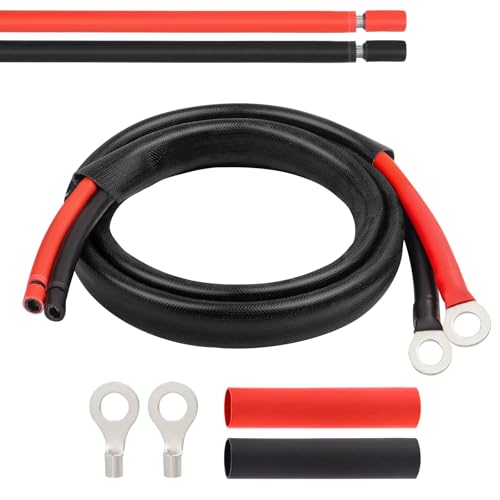
10AWG Tinned Copper Wire -- MOOKEERF solar battery cable is made of larger diameter 10AWG tinned copper wire which is minimize power loss in solar panel systems, the inner conductor consists of 84 tin-plated copper, well constructed and good conductive.
Factors That Affect Cable Size
- Cable Run Length
- Longer cable runs lead to higher voltage drops. A thicker gauge cable minimizes energy loss over distance.
- Current Rating
- The amount of current flowing through the cable impacts its temperature. Ensure the cable can handle the maximum current without overheating.
- Cable Type
- Copper cables generally support more current than aluminum cables. Consider the installation environment and choose based on durability and conductivity.
- Temperature Rating
- Elevated temperatures can reduce a cable’s capacity. Check the ambient temperature and adjust your cable size accordingly to prevent overheating.
- Installation Method
- Cables installed in conduits may retain heat differently than those exposed to air. This factor can influence your choice of cable size.
Using Cable Sizing Charts
Cable sizing charts serve as handy tools for determining the appropriate gauge based on current and distance. Here’s how to use them effectively:
- Identify Maximum Current
- Determine the highest current your system will draw during operation. This number helps you select the suitable gauge from the chart.
- Measure Cable Length
- Measure the distance from the solar controller to the battery. Include both the outgoing and return paths for accurate calculations.
- Consult the Chart
- Check a reliable AWG chart. For example, use 10 AWG for currents up to 30 amps over short distances. If your run is long, opt for a thicker cable like 8 AWG.
- Consider Voltage Drop
- Aim for less than 3% voltage drop. Use the chart to find how much current your chosen gauge can handle without exceeding this limit.
By understanding these factors and using a sizing chart, you can confidently determine the appropriate cable size, enhancing both the efficiency and safety of your solar system.
Selecting The Right Cable Material
Choosing the right cable material plays a crucial role in the performance and longevity of your solar system. The most common materials for cables are copper and aluminum. Each material offers distinct advantages.
Recommended Products

The iGreely 10 gauge wire can be used for solar panels, DC circuits, Boat, Marine, Automotive, RV and inverter wiring.

【Connect the Battery and Charge Controller】Renogy offers a range of different lengths, as well as four gauge sizes to choose from. 3/8 inch round center hole.
TUV tested cable. TUV logo print per feet indicates that the cable meets TUV standards for PV solar application
Copper Cables
- Conductivity: Copper exhibits excellent electrical conductivity. This means less energy loss, improving overall system efficiency.
- Durability: Copper withstands corrosion and physical stress better than aluminum, resulting in a longer lifespan.
- Size Consideration: Given its high conductivity, you can use a smaller gauge with copper compared to aluminum. For example, a 10 AWG copper wire is effective for higher currents up to 30 amps.
Aluminum Cables
- Cost-Effectiveness: Aluminum cables typically cost less than copper, making them a budget-friendly option for larger installations.
- Weight: Aluminum is lighter than copper, which simplifies handling and installation.
- Size Requirement: Aluminum requires a larger gauge for the same current rating. For example, use a 6 AWG aluminum wire for the same application as a 10 AWG copper wire.
- Environmental Factors: Consider the installation environment. Copper’s rust resistance makes it ideal for humid conditions. In dry settings, both materials perform well.
- Compatibility: Ensure that your connectors are compatible with the chosen cable type. Copper and aluminum connectors have different requirements.
When determining the material for your cables, balance your installation needs with performance goals. This choice directly impacts efficiency, safety, and long-term reliability in your solar setup.
Conclusion
Choosing the right cable size between your solar controller and battery is essential for keeping your system running smoothly. It not only boosts efficiency but also ensures safety by preventing overheating and energy loss.
Remember to consider factors like cable run length and current rating when making your decision. Using the right materials and following sizing guidelines can make a significant difference in your solar setup’s performance.
With a little attention to detail you can enjoy a reliable and efficient solar energy system for years to come. Happy solar powering!
Frequently Asked Questions
What is the importance of cable size in solar systems?
Cable size is crucial for the efficiency and safety of solar systems. Choosing the appropriate size prevents energy loss, overheating, and potential damage to components, ensuring optimal performance.
How do I determine the right cable size for my solar setup?
To determine the right cable size, consider factors like cable run length, current rating, and cable type. Using a voltage drop calculator and consulting the AWG chart can help find the best gauge.
What happens if I use a cable that is too small?
Using a cable that is too small can lead to overheating, increased fire risk, and efficiency losses in your solar system. This can damage components and reduce performance.
How do temperature and installation method affect cable size?
Temperature can affect the cable’s current-carrying capacity. Additionally, the installation method, such as whether the cable is exposed to air or buried, impacts the amount of heat the cable can dissipate.
What are the advantages of copper vs. aluminum cables?
Copper cables offer better conductivity and require smaller gauges, but they are more expensive. Aluminum cables are cost-effective and lightweight but need thicker gauges for the same current rating and can be less durable.
How can voltage drop impact my solar system?
Voltage drop occurs as electrical energy diminishes while traveling through the cable. Aiming for a voltage drop of less than 3% is ideal for maintaining efficiency in your solar system.
Are there guidelines for future cable expansions?
Yes, when selecting cable size, consider potential future expansions. It’s wise to err on the side of thicker cables to accommodate any increased demand without risking inefficiency or overheating.
Where can I find cable sizing charts or calculators?
Cable sizing charts and calculators are available online through various electrical and solar installation resources. They provide valuable guidance for determining the appropriate cable size based on current and length.
