

Have you ever noticed your solar lights dimming or not turning on at all? It can be frustrating when those bright, eco-friendly lights you rely on start to fade away. Understanding how to recharge solar light batteries can save you time and money, keeping your outdoor spaces illuminated and inviting.
In this article, you’ll learn simple steps to ensure your solar lights stay charged and effective. From cleaning the panels to replacing batteries, we’ll cover everything you need to know to keep your lights shining bright. With a little care, you can enjoy the benefits of solar lighting without any hassle.
Key Takeaways
- Understand Battery Types: Familiarize yourself with the three main types of solar light batteries (NiCd, NiMH, Li-ion) to know their capacities and capabilities for optimal performance.
- Regular Maintenance: Clean solar panels frequently to ensure they absorb maximum sunlight and inspect connections periodically for corrosion or loose fittings.
- Proper Charging Techniques: Position your solar lights in direct sunlight for 6-8 hours daily, and always use compatible chargers when charging batteries externally.
- Recognize Battery Issues: Be aware of warning signs such as dimming lights, short illumination periods, or overheating, which indicate that batteries may need replacement.
- Seasonal Care: Store solar lights indoors during winter to protect batteries from freezing, and consider the impact of seasonal changes on battery charging and performance.
- Routine Testing: Regularly test your solar lights to ensure they are functioning correctly, addressing any issues like faulty batteries promptly.
Understanding Solar Light Batteries
Solar light batteries power your outdoor lights, allowing them to illuminate your space. Understanding the types of batteries and how they function helps you maintain their efficiency.
Types of Solar Light Batteries
- Nickel Cadmium (NiCd):
- NiCd batteries are affordable and durable.
- They perform well in cold weather.
- Their capacity is usually around 600-1,200 mAh.
- Nickel Metal Hydride (NiMH):
- NiMH batteries offer a higher capacity, typically 1,200-2,500 mAh.
- They charge faster and last longer than NiCd batteries.
- They work better in warmer temperatures.
- Lithium-ion (Li-ion):
- Li-ion batteries provide high energy efficiency and longer life spans.
- Their capacity ranges from 2,000-3,500 mAh.
- These batteries typically last longer without losing charge.
How Solar Light Batteries Work
Solar light batteries recharge using sunlight. During the day, solar panels convert sunlight into electricity, which charges the batteries. The batteries store this energy for nighttime use.
- Charge Cycle:
- Charge cycles vary based on battery type and sunlight exposure.
- Typically, batteries reach full charge within 6-8 hours of direct sunlight.
- Discharge Cycle:
- At night, batteries release stored energy to power the lights.
- Brightness may decrease as the battery discharges.
- Factors Affecting Performance:
- Season: Longer days in summer provide more sunlight.
- Location: Shadowing from trees or buildings can reduce performance.
- Maintenance: Regular cleaning of solar panels enhances efficiency.
Maintaining your solar light batteries ensures they last longer and perform better.
Steps to Recharge Solar Light Batteries
Recharging solar light batteries involves a few straightforward steps. Follow these methods to ensure your lights function optimally.
Recommended Products

Note: It’s rechargeable Ni-MH AA Battery, 1.2V battery, designed exclusively for use with 1.2V devices. For charging, please use the EBL AA NiMH charger. For safety during transportation, the batteries are not fully charged, pls kindy charge it before first use. 【Perfect Solar Batteries】 Exact size AA batteries designed for solar lights, outdoor garden lights, mouse, keyboards, TV remotes, toys, game controllers, digital camera, will fit all your device perfectly in daily life usage, high quality AA rechargeable batteries supply long lasting power, great convenience and good performance.

【Reliable Performance】12 X Ni-MH AA 600mAh 1.2v Rechargeable Battery,Ideal for garden solar lights. (This product does not include a charger)
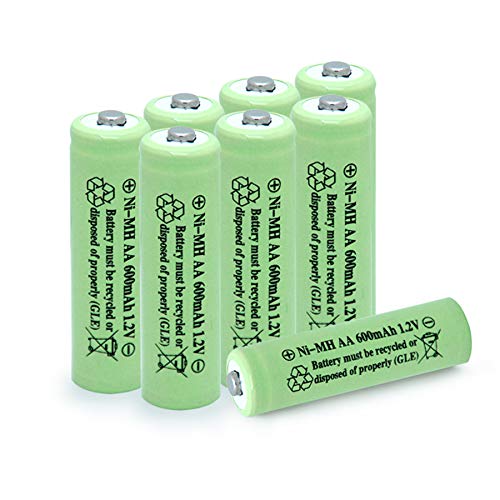
1.2-volt 600mAh AA Ni-MH rechargeable batteries
Preparing for Recharge
- Assess Battery Type: Identify whether you have NiCd, NiMH, or Li-ion batteries. Each type requires different recharging practices.
- Inspect Solar Panels: Check the solar panels for dirt or debris. Clean them gently using a damp cloth to maximize sun exposure.
- Check Connections: Ensure all connections between the solar panel and the batteries are secure. Loose connections can hinder charging.
- Direct Sunlight Exposure: Position the solar lights in direct sunlight for 6-8 hours. This method works best when the sun’s rays are strong.
- Replace with New Batteries: Replace old or faulty batteries with new ones. Make sure to match the specifications of your light’s requirements.
- Use a Battery Charger: If your solar lights allow, use a compatible battery charger. Charge NiCd and NiMH batteries individually if necessary, according to the charger instructions.
- Seasonal Storage: Store solar lights in a warm, sunny location during winter. Avoid keeping them in extremely cold places to enhance battery life.
By following these steps, you can maintain the efficiency and brightness of your solar lights.
Tips for Efficient Charging
To keep your solar lights shining bright, focus on effective charging methods and maintenance practices. These tips help ensure your batteries perform at their best.
Optimal Charging Conditions
- Direct Sunlight: Place solar lights in areas with unobstructed sunlight for at least 6-8 hours daily. Avoid shaded locations.
- Temperature Control: Aim for temperatures between 50°F and 85°F. Extreme heat or cold can hinder battery performance.
- Clear Panels: Regularly clean the solar panels with a soft cloth to remove dirt, dust, and debris. This enhances light absorption.
- Positioning: Tilt solar lights slightly upward to capture sunlight better, especially if they’re placed on uneven ground.
- Avoid Overcast Days: On cloudy days, consider using an additional light source or charging indoors under bright artificial light.
- Inspect Connections: Check all battery connections periodically to ensure they’re tight and free of corrosion. Loose connections can disrupt charging.
- Battery Replacement: Replace NiCd or NiMH batteries every 1-2 years, or as specified by the manufacturer. Older batteries lose their ability to hold a charge.
- Seasonal Storage: During winter months, store solar lights indoors in a warm area to shield batteries from freezing temperatures.
- Use Compatible Chargers: When charging batteries externally, always use a charger that matches the battery type. This prevents damage and promotes longevity.
- Test Regularly: Test solar lights monthly to ensure they’re functioning correctly. Replace any faulty components immediately.
By following these tips, you enhance the efficiency of your solar light batteries and maintain a well-lit outdoor space.
Common Issues and Troubleshooting
Common issues with solar lights often arise from battery performance or improper charging. Understanding the signs of a failing battery can help you troubleshoot effectively.
Signs of a Failing Battery
- Dimming Light: If your solar lights appear dim or flicker, the battery may no longer hold a charge effectively.
- Short Illumination: Lights that fail to last through the night indicate reduced battery capacity.
- Overheating: Noticeably hot batteries after charging suggest potential failures or incompatibilities.
- Corrosion: Any visible corrosion on terminals signals deterioration that affects performance.
- Unresponsive Lights: If your lights don’t turn on after adequate charging, the battery likely requires replacement.
- Replace Batteries: If lights show signs of failure, consider replacing old batteries with compatible options. NiCd and NiMH batteries typically last 1-2 years and should be replaced accordingly.
- Clean Solar Panels: Dust and debris block sunlight, reducing charging capacity. Regularly clean panels with a damp cloth to ensure maximum exposure.
- Check Connections: Loose or corroded battery connections can disrupt the charge flow. Ensure all connections are tight and free of corrosion.
- Adjust Light Position: Position your solar lights where they receive direct sunlight for 6-8 hours daily. Avoid shaded areas that impede charging.
- Store Properly: During winter months, store solar lights indoors or in a sheltered location to protect the batteries from extreme temperatures.
Conclusion
Taking care of your solar light batteries doesn’t have to be a chore. With a little attention and regular maintenance you can keep them shining bright. Remember to clean those solar panels and check battery connections to ensure everything’s in tip-top shape.
Don’t forget to replace old batteries when needed and position your lights where they can soak up the sun. By following these simple steps you’ll enjoy a well-lit outdoor space that enhances your home’s charm. So go ahead and give your solar lights the care they deserve. Happy lighting!
Frequently Asked Questions
What are the common reasons solar lights dim or fail to turn on?
Solar lights may dim or fail due to dirty solar panels, faulty batteries, or poor sunlight exposure. Seasonal changes, battery aging, and loose connections can also affect performance. Regular maintenance and inspection are vital to prevent these issues.
How do I recharge solar light batteries?
To recharge solar light batteries, first assess the battery type and clean the solar panels. Ensure the lights are positioned in direct sunlight for optimal charging. Check for secure connections and replace old batteries as needed to maintain performance.
What types of batteries do solar lights use?
Solar lights typically use Nickel Cadmium (NiCd), Nickel Metal Hydride (NiMH), or Lithium-ion (Li-ion) batteries. Each type has different capacities, performance under temperature changes, and overall efficiency levels, impacting how long the lights will function.
How can I maintain my solar lights?
To maintain solar lights, regularly clean the panels, check battery connections for tightness, and replace old batteries when necessary. Store lights in a warm location during winter and test functionality monthly to ensure they operate effectively.
What signs indicate a failing solar light battery?
Signs of a failing battery include dimming light, short illumination duration, overheating, corrosion, and unresponsive behavior. If you notice these symptoms, it’s essential to inspect the batteries and replace them if needed to keep your lights working effectively.
