

Ever wondered if your solar panel is actually charging your battery? It’s a common concern for anyone relying on solar energy. You might have invested time and money into setting up your system, but how can you be sure it’s working effectively?
Imagine a sunny day where your solar panel should be soaking up the rays, yet your battery isn’t charging. Frustrating, right? This article will guide you through simple steps to check if your solar panel is doing its job. By the end, you’ll feel confident in monitoring your solar setup and ensuring you’re getting the most out of your investment.
Key Takeaways
- Understand Solar Energy Dynamics: Solar panels convert sunlight into electricity, which charges batteries for later use. Knowing how this process works is fundamental to ensuring your system operates efficiently.
- Utilize Essential Tools: A multimeter and a solar charge controller are crucial for checking if your solar panel is charging the battery effectively.
- Follow the Right Steps: Inspect connections, measure voltage outputs from both the solar panel and battery, and compare readings to confirm charging status.
- Monitor for Common Issues: Be aware of factors like low sunlight, faulty panels, and improper connections that could hinder charging efficiency, and address them promptly.
- Optimize Performance: Regular monitoring and maintenance can enhance battery lifespan and ensure your solar system fulfills your energy needs efficiently.
Understanding Solar Panels and Batteries
Solar panels convert sunlight into electricity, which can then charge batteries for later use. Understanding how this process works is key to ensuring your solar setup is running efficiently.
How Solar Panels Work
Solar panels consist of photovoltaic cells that capture sunlight and convert it into direct current (DC) electricity. This electricity flows to a charge controller, which regulates the amount sent to your batteries. When sunlight hits the panels, the cells generate energy; as long as there’s sufficient sunlight, the system operates effectively. Keep in mind that factors like shading, dirt on the panels, and temperature can impact performance.
Importance of Battery Charging
Battery charging plays a crucial role in storing the energy generated by solar panels. Charged batteries provide a reliable energy source during nighttime or cloudy days. They also help maintain your system’s efficiency by ensuring you’ve got energy when you need it. Regular charging cycles enhance battery lifespan, reducing the need for premature replacement. Benefits of monitoring battery charging include knowing your energy availability and optimizing your setup for maximum solar efficiency.
Tools Needed for Checking Charging Status
To check if your solar panel is charging the battery, you’ll need a couple of essential tools. These tools help you accurately assess the charging status and troubleshoot any issues.
Recommended Products
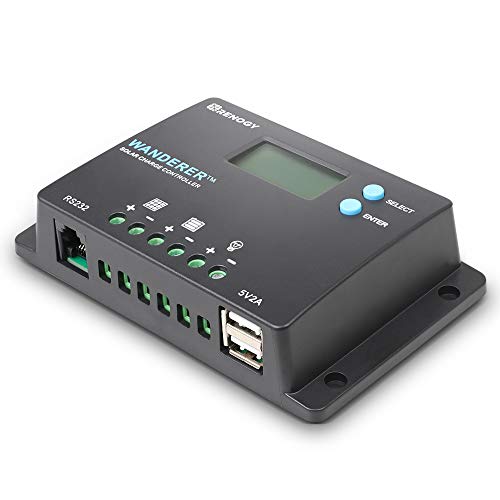
𝐒𝐦𝐚𝐫𝐭 𝟒-𝐒𝐭𝐚𝐠𝐞 12V/24V Solar Charge Controller: Renogy charge controller 𝐦𝐚𝐱𝐢𝐦𝐢𝐳𝐞𝐬 𝐁𝐚𝐭𝐭𝐞𝐫𝐲 𝐋𝐢𝐟𝐞 & 𝐒𝐨𝐥𝐚𝐫 𝐄𝐟𝐟𝐢𝐜𝐢𝐞𝐧𝐜𝐲, this advanced pwm solar charge controller utilizes intelligent 4-stage charging (Bulk/Boost/ Float/Equalization) to optimize power delivery for AGM, Gel, Flooded and Lithium batteries. RV solar charge controller prevents overcharging and gas buildup while 𝐚𝐜𝐡𝐢𝐞𝐯𝐢𝐧𝐠 𝟑𝟎% 𝐥𝐨𝐧𝐠𝐞𝐫 𝐛𝐚𝐭𝐭𝐞𝐫𝐲 𝐥𝐢𝐟𝐞𝐬𝐩𝐚𝐧 compared to basic charge controllers.

✔️【Waterproof Solar Charge Controller】IP67 waterproof, suitable for outdoor use. Automatically identify voltage, 12V Max power: 150W, 24V Max power: 300W. The maximum current is 10A. Compatible with various 12V/24V deep-cycle batteries, such as AGM, GEL, Flooded. Adopting brand MCU chips to realize fast intelligent control and ultra-low standby power consumption.
![[Upgraded] 30A PWM Solar Charge Controller with Auto Parameter LCD Display](https://m.media-amazon.com/images/I/41opvkWthjL._SL500_.jpg)
【UPGRADED SOLAR CONTROLLER】This solar charge controller helps you manage the working of solar panels and batteries in solar systems automatically with the build-in industrial microcontroller. You don't need to reset it when the battery runs out cause it will memorize various parameters set by the user
Multimeter
A multimeter measures voltage, current, and resistance. For checking charging status, focus on measuring voltage.
- Select the Voltage Mode: Turn the multimeter dial to the DC voltage setting.
- Connect Probes: Attach the red probe to the positive terminal of the battery and the black probe to the negative terminal.
- Read the Display: A voltage reading above the battery’s nominal voltage (e.g., 12.6V for a 12V battery) indicates that charging is taking place.
- Compare Readings: If the voltage is significantly lower, your solar panel might not be charging the battery effectively.
Solar Charge Controller
A solar charge controller regulates voltage and current coming from the solar panels to the batteries, preventing overcharging.
- Check the Display Panel: Most modern charge controllers have built-in displays that show real-time voltage levels, charging status, and battery conditions.
- Look for Indicators: Green LED lights usually indicate healthy charging. A red light often signifies an issue.
- Inspect Settings: Ensure the controller’s settings match your battery type. Incorrect settings can lead to inefficient charging.
- Review Historical Data: Some advanced controllers log battery performance over time. Use this data to analyze trends in charging efficacy.
By using these tools, you can easily determine whether your solar panel is charging the battery efficiently and make adjustments as needed for optimal performance.
Steps to Check If Solar Panel Is Charging Battery
You can easily check if your solar panel is charging your battery by following these steps.
Inspecting the Connections
- Examine Wiring and Connectors: Look at all wiring for frayed ends or corrosion. Ensure connectors are clean and secure. Loose connections can prevent effective charging.
- Check the Charge Controller: Ensure the charge controller is properly connected between the solar panel and battery. A malfunctioning unit can disrupt the charging process.
- Gather a Multimeter: Use a multimeter set to the DC voltage setting to measure electrical output.
- Access the Solar Panel Terminals: Safely access the terminals of the solar panel. Take care to follow safety precautions.
- Measure Voltage: Place the multimeter leads on the positive and negative terminals of the panel. A reading above 16 volts generally indicates effective charging.
- Measure Battery Voltage: Next, measure the battery voltage in the same way. A fully charged 12V battery should read around 12.6 volts or higher when the solar panel is charging.
- Compare Readings: Compare the multimeter readings. Ensure the solar panel voltage is higher than the battery voltage for charging to occur.
These steps help confirm your solar system’s efficiency and functionality, ensuring you get the most from your solar investment.
Common Issues and Troubleshooting
Understanding common issues with solar panels and battery charging helps you maintain an efficient setup. This section highlights potential problems and offers practical solutions.
Low Sunlight Conditions
Low sunlight conditions significantly impact solar panel performance. Cloud cover, rain, or seasonal fluctuations can reduce the amount of energy produced. If you notice that your solar panel isn’t charging the battery effectively, check for environmental factors like tree shade or dirt on the panels. Regular cleaning boosts performance. During winter months, positioning the panels for optimal sunlight exposure can help maximize charging.
Faulty Solar Panels
Faulty solar panels can prevent proper battery charging. Signs of malfunction include discoloration, physical damage, or burn marks. If you spot these issues, test individual panels using a multimeter. Measure the voltage output in direct sunlight. If readings fall below the expected range, you might need to replace the panel. Consider consulting a professional for comprehensive diagnostics and repairs to restore your system’s efficiency.
Conclusion
With the right tools and a bit of know-how you can easily determine if your solar panel is doing its job. Regular checks not only help you catch potential issues early but also ensure you’re getting the most from your investment.
By staying proactive with maintenance and monitoring you’ll enjoy a reliable energy source even when the sun isn’t shining. Keep those panels clean and your connections secure and you’ll be well on your way to maximizing the benefits of solar energy. Enjoy the peace of mind that comes with knowing your system is running smoothly.
Frequently Asked Questions
How do solar panels charge batteries?
Solar panels convert sunlight into electricity using photovoltaic cells. This electricity either powers devices directly or charges batteries through a charge controller, maintaining optimal battery levels for use when sunlight isn’t available.
Why isn’t my solar panel charging my battery on a sunny day?
Several factors could cause this issue, including shading on the panels, damaged wiring, or an improperly configured charge controller. Regular inspections and using tools like a multimeter can help troubleshoot the problem.
What tools do I need to check the charging status of my solar panels?
You will need a multimeter to measure voltage and assess your solar panel’s output and a solar charge controller to monitor the charging process. These tools are essential for diagnosing issues effectively.
How can I ensure my solar panels are performing optimally?
Make sure your panels are clean, free from debris, and positioned to receive maximum sunlight. Regular inspections for damage and verifying connections will also help maintain efficient performance.
What common issues can affect solar panel performance?
Common issues include inadequate sunlight due to shading, dirty panels, or faulty equipment. Each of these factors can significantly impact the charging efficiency of your solar setup.
How often should I check my solar panel system?
It’s advisable to check your solar panel system at least once a month. Regular inspections help catch potential issues early and ensure that your panels are consistently functioning at their best.
Can I test the solar panel’s output myself?
Yes, you can test the output of your solar panel using a multimeter. Measure the voltage at the panel’s terminals to ensure it produces the expected output, which indicates it’s functioning properly.
