

Have you ever wondered if you can use any rechargeable battery in your solar lights? It’s a common question among solar enthusiasts and casual users alike. You might find yourself with a collection of batteries and want to know if they’ll work in your outdoor lighting setup.
Key Takeaways
- Compatibility Matters: Ensure the rechargeable battery matches the voltage and size specifications of your solar light system to avoid damage and ensure optimal performance.
- Types of Rechargeable Batteries: Common options include Nickel-Cadmium (NiCd), Nickel-Metal Hydride (NiMH), and Lithium-Ion batteries, each with unique advantages and drawbacks.
- Performance Considerations: Different batteries perform variably across temperature ranges and with charging efficiency. Choose a battery type suited to your environment for better reliability.
- Lifespan and Environmental Impact: Lithium-Ion batteries generally last the longest and are more eco-friendly, while NiCd batteries may pose environmental disposal challenges due to their harmful components.
- Easy Installation and Maintenance: Most solar lights are user-friendly, requiring minimal installation and maintenance, but selecting the right battery type is crucial for long-term functionality.
- Energy Efficiency Benefits: Solar lights provide a sustainable alternative to traditional lighting by utilizing renewable energy, leading to reduced electricity costs and lower carbon footprints.
Overview of Solar Lights
Solar lights operate using solar panels to absorb sunlight during the day, converting it into energy stored in rechargeable batteries. These batteries power the light fixtures at night, offering an eco-friendly alternative to traditional lighting.
Types of Solar Lights
- Pathway Lights: Ideal for garden paths or driveways, these lights enhance safety and visibility.
- Flood Lights: Perfect for illuminating larger areas, such as backyards or parking lots.
- Wall Lights: Mounted on walls, they provide focused lighting for entrances or patios.
- String Lights: Flexible and decorative, useful for outdoor gatherings or events.
Components of Solar Lights
- Solar Panel: Captures sunlight and converts it into electrical energy.
- Rechargeable Battery: Stores energy for nighttime use; battery type influences performance.
- LED Bulb: Utilizes minimal power while providing bright illumination.
- Control Circuit: Manages energy flow, turning lights on and off based on light levels.
Benefits of Solar Lights
- Energy Efficiency: Solar lights reduce electricity costs.
- Environmentally Friendly: They rely on renewable energy sources.
- Easy Installation: Most solar lights require no wiring, simplifying setup.
- Low Maintenance: Generally, solar lights need little upkeep after initial installation.
- What makes solar lights effective? Solar panels and rechargeable batteries work together to harness solar energy, ensuring consistent performance.
- Can solar lights operate in cloudy weather? While they perform best in direct sunlight, solar lights can still generate energy on cloudy days.
- What is the lifespan of solar lights? With proper maintenance, many solar lights last several years, depending on the quality of the components.
Understanding the components and benefits of solar lights makes it easier to choose the right type for your needs. The next step involves examining which rechargeable batteries are compatible with various solar light systems.
Types of Rechargeable Batteries
Rechargeable batteries are critical components in solar lights. Understanding the different types helps you choose the right battery for your system.
Recommended Products

Note: It’s rechargeable Ni-MH AA Battery, 1.2V battery, designed exclusively for use with 1.2V devices. For charging, please use the EBL AA NiMH charger. For safety during transportation, the batteries are not fully charged, pls kindy charge it before first use. 【Perfect Solar Batteries】 Exact size AA batteries designed for solar lights, outdoor garden lights, mouse, keyboards, TV remotes, toys, game controllers, digital camera, will fit all your device perfectly in daily life usage, high quality AA rechargeable batteries supply long lasting power, great convenience and good performance.

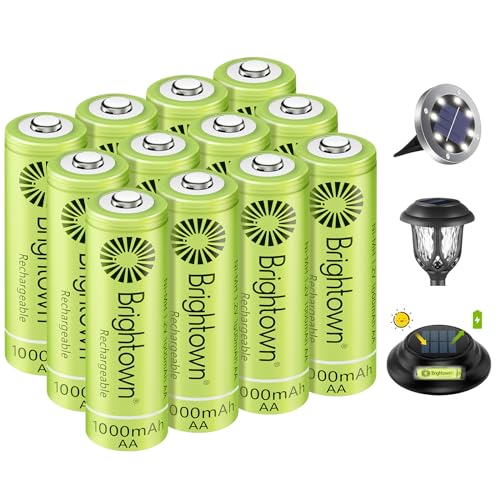
【Reliable Performance】12 X Ni-MH AA 600mAh 1.2v Rechargeable Battery,Ideal for garden solar lights. (This product does not include a charger)

【High Capacity&Long Lasting】:1600mah high capacity AA rechargeable battery will lasting much longer time to ensure your outdoor lights always has enough power to light all night. Also can replace 600mAh, 800mAh, 1100mah, etc NiCd or Ni-MH AA cells AA battery. They won't lose the maximum capacity.
Nickel-Cadmium (NiCd) Batteries
NiCd batteries are quite common in solar lights due to their durability. They perform well in a wide range of temperatures and are resistant to overcharging. However, they have a “memory effect,” which can reduce their capacity if not fully discharged regularly. For optimal performance, ensure these batteries are fully charged and discharged periodically.
Nickel-Metal Hydride (NiMH) Batteries
NiMH batteries offer higher capacity compared to NiCd batteries, increasing the runtime of solar lights. They are less prone to the memory effect, making them more user-friendly. These batteries perform better in cooler temperatures. If you choose NiMH, select brands with low self-discharge rates for consistent energy availability.
Lithium-Ion Batteries
Lithium-ion batteries are gaining popularity in solar lighting. They provide high energy density and longer life spans compared to other types. They also charge faster and have no memory effect. However, they usually come at a higher price point. Opt for lithium-ion batteries if you prioritize performance and longevity, especially in high-drain applications.
Knowing these battery types ensures you find the best match for your solar lighting needs.
Compatibility with Solar Lights
Using the right rechargeable battery in your solar lights ensures optimal performance and longevity. Not all rechargeable batteries are compatible, so understanding specific requirements is essential.
Recommended Products
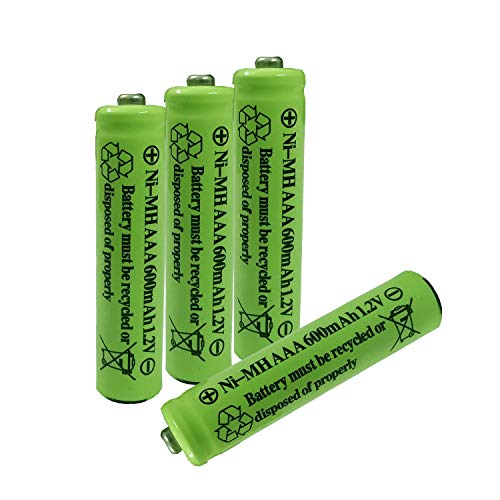
Our nimh aaa 600mah 1.2v rechargeable batteries for solar lights are Ideal for fast discharge applications / solar lights ,RC/AC remote etc

【Battery Type】1.2 V Ni-MH 2/3AAA 300 MAh Rechargeable Battery

NiMH AAA 600mAh 1.2V rechargeable batteries,Height 1.69inch,Diameter 0.39inch,Package included:8 x solar aaa 600mah ni-mh 1.2v batteries
Voltage Requirements
Solar lights typically operate at specific voltage levels. Most solar lights use rechargeable batteries rated at 1.2 volts. Common types include NiCd and NiMH batteries. When choosing a battery, ensure its voltage matches your solar light system. If the voltage is too high or too low, it can damage the light or cause it to function improperly.
Size and Fit Considerations
Battery size plays a critical role in compatibility. Measurements such as diameter and length need to match the battery compartment of your solar light. Common battery sizes in solar lights are AA and AAA. Before replacing a battery, check the existing one for size specifications. A misfit can lead to ineffective power transfer or physical damage to the unit.
Advantages and Disadvantages of Using Different Batteries
Knowing the benefits and challenges of various rechargeable batteries helps you make an informed choice for your solar lights. Each type comes with unique characteristics that affect performance and usability.
Recommended Products

【Included products】4*AA 600mAh 1.2v Ni-MH rechargeable batteries, AA 600mAh battery is 1.97 inches long and 0.55 inches wide. (Batteries only)

Solar PRO technology – Tenergy engineered solar AA batteries with technology addressing common solar light battery performance problems: leaking due to over-charging from long sunny summer days, dead batteries due to over-discharging from extended rainy or cloudy days. Tenergy is a Silicon Valley based company with over 15 years of experience in batteries.
【 30% Precharged for Ready Use 】 For transportation safety purposes, these batteries are only precharged with 30% power, so charge them before use for longer working. In addition, recharging the battery every 3 months can make its lifespan longer
Performance Factors
Performance varies between battery types.
- NiCd Batteries: These batteries excel in extreme conditions. They can withstand overcharging without significant damage. However, they suffer from the “memory effect,” which can reduce their capacity over time if not fully discharged.
- NiMH Batteries: These batteries offer higher energy capacity, making them ideal for solar lights needing more power. They perform well in cooler temperatures but can be sensitive to temperature fluctuations.
- Lithium-Ion Batteries: These batteries recharge quickly and provide consistent performance. They have a higher energy density, meaning more power in a smaller size. This advantage comes with a higher price tag compared to other options.
Selecting the right battery based on these performance factors ensures your solar lights operate efficiently.
Lifespan and Sustainability
Lifespan and sustainability influence your battery choice.
- NiCd Batteries: Typically last about two to five years, but their environmentally harmful components can present disposal challenges.
- NiMH Batteries: These last longer, usually around three to five years. They’re more environmentally friendly than NiCd batteries, making them a popular choice.
- Lithium-Ion Batteries: These often surpass five years of lifespan. Their recyclability and lower environmental impact align with sustainable practices.
Consider longevity and eco-friendliness when choosing your batteries, as they affect both your budget and environmental footprint. Selecting the right battery type not only enhances performance but also contributes to a more sustainable outdoor lighting solution.
Conclusion
Choosing the right rechargeable battery for your solar lights is key to getting the most out of them. You want to ensure compatibility in terms of voltage and size to avoid any issues. By picking the right type—whether it’s NiCd, NiMH, or Lithium-Ion—you’ll enhance performance and extend the lifespan of your solar lights.
Remember that not all batteries are created equal, so take the time to match your solar lights with the best battery option available. This little effort can lead to brighter nights and a more sustainable lighting solution for your outdoor space. Happy lighting!
Frequently Asked Questions
Can any rechargeable battery be used in solar lights?
Not all rechargeable batteries are compatible with solar lights. It’s essential to choose batteries specifically designed for solar lighting systems, like Nickel-Cadmium (NiCd), Nickel-Metal Hydride (NiMH), or Lithium-Ion batteries, to ensure optimal performance.
What types of rechargeable batteries are best for solar lights?
The best types of rechargeable batteries for solar lights include NiCd for durability, NiMH for higher capacity and cooler temperature performance, and Lithium-Ion for long lifespan and fast charging. Each has its pros and cons based on your needs.
What voltage do solar lights typically require?
Most solar lights operate at a voltage of 1.2 volts. Therefore, using rechargeable batteries that meet this voltage requirement, such as NiCd and NiMH, is crucial for proper functionality and preventing damage.
How do I know which battery size fits my solar lights?
To find the right battery size for your solar lights, measure the battery compartment’s dimensions. Common sizes include AA and AAA. The diameter and length must match; check your solar light specifications before purchasing.
Do cloudy days affect solar light performance?
Yes, cloudy days can impact solar light performance, as they rely on sunlight for charging. However, many modern solar lights are designed to store enough energy to operate during overcast conditions, though their brightness may be reduced.
What is the average lifespan of these rechargeable batteries?
NiCd batteries typically last two to five years, while NiMH batteries have a lifespan of about three to five years. Lithium-Ion batteries usually last over five years, making them the most durable option for solar lights.
Are there any environmental concerns with these batteries?
Yes, there are environmental concerns, especially with NiCd batteries, which can be hazardous if not disposed of properly. NiMH and Lithium-Ion are generally considered more eco-friendly and recyclable, aligning with sustainable practices.
