

Have you ever found yourself with a dead solar light and wondered if you could just pop in some regular batteries instead? You’re not alone. Many people face this frustrating situation, especially when the sun isn’t shining as brightly as it should.
Key Takeaways
- Solar Light Functionality: Solar lights convert sunlight into electrical energy during the day, stored in rechargeable batteries for nighttime use.
- Battery Types: Common rechargeable batteries include Nickel-Cadmium (NiCd), Nickel-Metal Hydride (NiMH), and Lithium-ion (Li-ion), each offering different capacities and lifespans.
- Avoid Regular Batteries: Regular batteries are not suitable for solar lights due to voltage mismatches, short lifespans, and environmental concerns.
- Optimal Performance: Always use recommended rechargeable batteries for solar lights to ensure effective operation, longevity, and energy efficiency.
- Environmental Impact: Rechargeable batteries reduce waste and are less harmful to the environment compared to traditional regular batteries.
- Maintenance Tips: Regularly check and replace batteries as needed, and choose solar-specific rechargeable options for best results.
Overview of Solar Lights
Solar lights utilize sunlight as their primary energy source. During the day, solar panels absorb sunlight, converting it into electrical energy. This energy charges the internal batteries, allowing the lights to operate at night.
Key Components of Solar Lights
- Solar Panel: Captures sunlight and converts it to energy.
- Rechargeable Battery: Stores energy captured during the day for nighttime use. Common types include NiMH and lithium batteries.
- LED Bulb: Provides efficient illumination, consuming less energy than traditional bulbs.
- Controller: Regulates the charging of the battery and the operation of the light.
Types of Solar Lights
- Pathway Lights: Designed for illuminating walkways and garden paths.
- Flood Lights: Offer wider illumination for larger areas like yards or driveways.
- String Lights: Used for decorative purposes, often around patios or gardens.
- Security Lights: Equipped with motion sensors to trigger illumination when movement is detected.
Benefits of Solar Lights
- Energy Efficiency: Uses renewable energy, reducing electricity costs.
- Easy Installation: Typically doesn’t require complex wiring.
- Environmentally Friendly: Lowers carbon footprint compared to traditional lighting options.
- Dependence on Sunlight: Performance can diminish in cloudy or rainy weather.
- Battery Lifespan: Over time, batteries may degrade and lose effectiveness, requiring replacement.
- Initial Cost: Higher upfront investment compared to conventional lights, though savings on energy bills often offset this.
Solar lights offer a sustainable and efficient lighting solution. Understanding their components and limitations helps in selecting the right types for your needs.
Types of Batteries Used in Solar Lights
Solar lights rely on specific batteries designed to work with their unique systems. Understanding these battery types helps ensure optimal performance for your lights.
Recommended Products

Note: It’s rechargeable Ni-MH AA Battery, 1.2V battery, designed exclusively for use with 1.2V devices. For charging, please use the EBL AA NiMH charger. For safety during transportation, the batteries are not fully charged, pls kindy charge it before first use. 【Perfect Solar Batteries】 Exact size AA batteries designed for solar lights, outdoor garden lights, mouse, keyboards, TV remotes, toys, game controllers, digital camera, will fit all your device perfectly in daily life usage, high quality AA rechargeable batteries supply long lasting power, great convenience and good performance.

【High Capacity&Long Lasting】:1600mah high capacity AA rechargeable battery will lasting much longer time to ensure your outdoor lights always has enough power to light all night. Also can replace 600mAh, 800mAh, 1100mah, etc NiCd or Ni-MH AA cells AA battery. They won't lose the maximum capacity.
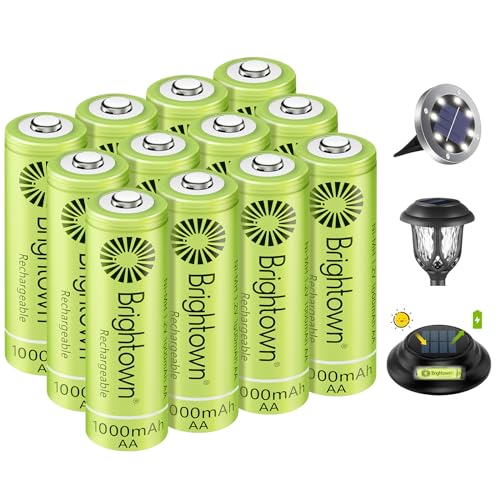
【 30% Precharged for Ready Use 】 For transportation safety purposes, these batteries are only precharged with 30% power, so charge them before use for longer working. In addition, recharging the battery every 3 months can make its lifespan longer
Rechargeable Batteries
Rechargeable batteries are the standard for solar lights. These batteries store energy from solar panels and release it at night. Common types include:
- Nickel-Cadmium (NiCd): Durable and commonly used, NiCd batteries perform well in various temperatures. Their typical lifespan ranges from 1 to 2 years, but they can struggle in extreme conditions.
- Nickel-Metal Hydride (NiMH): NiMH batteries offer higher capacity than NiCd, often resulting in brighter lights. Their lifespan can reach 3 to 5 years, making them a popular choice for solar lights.
- Lithium-ion (Li-ion): Li-ion batteries are gaining popularity due to their lightweight design and long lifespan, typically lasting over 5 years. They hold more charge and charge faster than their counterparts, which enhances overall efficiency.
Regular Batteries
Using regular batteries in solar lights is not advisable. Regular batteries, like alkaline or non-rechargeable types, lack the ability to recharge. They may fit the compartment but will not benefit from solar charging. Here’s why they’re unsuitable:
- Voltage Mismatch: Regular batteries often operate at higher voltages than rechargeable options. This can lead to malfunctions or reduced performance.
- Short Lifespan: Regular batteries deplete quickly in solar lights, leading to frequent replacements, which can be costly and inconvenient.
- Environmental Impact: Disposing of regular batteries poses environmental risks, as they may contain hazardous materials. Rechargeable batteries are designed for repeated use, making them more eco-friendly.
When maintaining your solar lights, always opt for the appropriate rechargeable batteries for the best results.
Can You Use Regular Batteries in a Solar Light?
Using regular batteries in a solar light might seem like a quick fix, but it’s important to understand the implications.
Recommended Products

[Home 12-Pack] A balanced 12 pack for common household solar light needs, suitable for replacing batteries across garden lights, pathway lights, patio lights, deck lights, fence lights, or string lights around the home.

【Included products】4*AA 600mAh 1.2v Ni-MH rechargeable batteries, AA 600mAh battery is 1.97 inches long and 0.55 inches wide. (Batteries only)

Solar PRO technology – Tenergy engineered solar AA batteries with technology addressing common solar light battery performance problems: leaking due to over-charging from long sunny summer days, dead batteries due to over-discharging from extended rainy or cloudy days. Tenergy is a Silicon Valley based company with over 15 years of experience in batteries.
Benefits of Using Regular Batteries
- Easy Availability: Regular batteries, like alkaline types, are widely available at most stores. You can quickly grab a pack when you need replacements.
- Lower Initial Cost: Regular batteries are often cheaper upfront compared to specialized rechargeable batteries, saving you money on your first purchase.
- Convenience: Using regular batteries allows for a straightforward installation process, as no special skills are required.
- Voltage Mismatch: Regular batteries deliver different voltage levels than rechargeable ones. This mismatch can damage solar light systems.
- Short Lifespan: Regular batteries typically have a much shorter lifespan. Solar lights need consistent power, and regular batteries won’t provide that.
- Environmental Impact: Regular batteries can be harmful to the environment. They are not designed for the repeated charging and discharging cycles typical of solar applications.
- Incompatibility: Many solar lights are optimized for specific rechargeable batteries. Using regular batteries might render the lights useless.
- Performance Issues: Regular batteries can lead to dimmer lights or inconsistent performance due to their lower energy output compared to rechargeable batteries designed for solar use.
When choosing batteries for your solar lights, opt for the recommended rechargeable types to ensure effective operation and longevity.
Alternative Options for Solar Light Batteries
When considering battery alternatives for solar lights, several options stand out. Each option varies in compatibility and performance.
Recommended Products

Notice:(NOT FULL SIZED AAA BATTERIE,Not AAA battery, same diameter but 2/3 height of AAA battery) Size:10 x 30mm,please make sure the size before buying

RELIABLE PERFORMANCE: 12-pack of AA rechargeable NiMH batteries (2,000 mAh)

【Reliable Performance】12 X Ni-MH AA 600mAh 1.2v Rechargeable Battery,Ideal for garden solar lights. (This product does not include a charger)
Nickel-Cadmium (NiCd) Batteries
- Durability: NiCd batteries handle extreme temperatures well, making them ideal for outdoor solar lights.
- Rechargeability: Recharge multiple times, reducing waste.
- Self-Discharge Rate: Experience a high self-discharge rate, losing charge quickly when not in use.
Nickel-Metal Hydride (NiMH) Batteries
- Higher Capacity: Provide greater energy capacity than NiCd, resulting in brighter lights.
- Environmental Impact: Typically less toxic compared to NiCd, making them more eco-friendly.
- Temperature Sensitivity: Performance may decline in very cold conditions.
Lithium-ion (Li-ion) Batteries
- Lightweight: Easier to handle due to their lighter weight.
- Energy Efficiency: Offer high energy density for prolonged usage.
- Cost: Higher initial investment, but long-term savings due to lifespan.
Solar-Specific Rechargeable Batteries
- Compatibility: Designed specifically for solar light systems, ensuring optimal performance and efficiency.
- Longevity: Typically last longer than standard rechargeable options, providing better return on investment.
- Maintenance: Require minimal maintenance compared to other types.
- Voltage Matching: Ensure voltage matches the solar light specifications to avoid damage.
- Water Resistance: Check for batteries designed to withstand exposure to the elements.
- Local Availability: Research local retailers or online options for easy replacement.
By focusing on these alternative battery options, you enhance the performance of solar lights while maintaining their eco-friendly advantages. Choosing the right battery type ensures your solar lights operate efficiently throughout their lifespan.
Conclusion
Using regular batteries in your solar lights might seem like a quick fix but it can lead to more problems than solutions. Sticking with the right rechargeable batteries ensures your lights perform at their best and last longer.
By choosing the appropriate battery type you not only keep your lights shining brightly but also support their eco-friendly nature. So next time you’re faced with a dead solar light remember to grab those solar-specific rechargeable batteries for optimal performance. Your garden will thank you for it!
Frequently Asked Questions
What causes solar lights to stop working?
Solar lights can stop working due to several reasons, including drained batteries, malfunctioning solar panels, or damage to the LED bulbs. Poor sunlight exposure and dirt accumulation on the solar panel can also hinder performance. Regular maintenance, such as cleaning the panels and replacing batteries, can help prevent these issues.
Can I replace solar light batteries with regular batteries?
No, it’s not recommended to replace solar light batteries with regular batteries like alkaline ones. Regular batteries can cause voltage mismatches, reduced performance, and potential damage to the solar light. Always use the designated rechargeable batteries for optimal functionality.
What types of batteries are used in solar lights?
Common types of batteries in solar lights include Nickel-Cadmium (NiCd), Nickel-Metal Hydride (NiMH), and Lithium-ion (Li-ion). Each type has unique characteristics, such as temperature tolerance and capacity. Using the proper rechargeable type is crucial for performance.
How do I choose the right battery for my solar light?
To choose the right battery for your solar light, ensure it matches the voltage specifications, check for compatibility with the solar light model, and consider the battery’s lifespan and environmental impact. Opt for NiMH or Li-ion batteries for better performance.
What are the benefits of solar lights?
Solar lights offer energy efficiency, easy installation, and environmental friendliness. They harness sunlight for power, reducing electricity costs and carbon footprint. Additionally, they provide a sustainable lighting solution suitable for various outdoor applications.
What are the limitations of solar lights?
Solar lights rely on adequate sunlight, which means their performance can decline on cloudy days or during winter. They also have a limited battery lifespan, and their initial costs can be higher than traditional lighting. Understanding these limitations can aid in selecting the right options.
How can I maintain my solar lights?
To maintain solar lights, regularly clean the solar panels to remove debris, check and replace rechargeable batteries as needed, and ensure the lights are positioned to receive adequate sunlight. Also, inspect for any physical damage and address any issues promptly to prolong their lifespan.
